

 English
 Español
Is Bamboo Pulp Paper Right for Your Business?
Evaluating sustainable fiber alternatives requires rigorous analysis of material properties, manufacturing scalability, and compliance frameworks. bamboo pulp paper represents a rapidly expanding category within the specialty paper and packaging sectors, offering distinct mechanical and environmental performance characteristics compared to conventional wood pulp substrates. This technical guide provides specifications, comparative data, and procurement criteria for packaging engineers, food service suppliers, and sustainability officers seeking high-volume, certified biodegradable materials.
Understanding Bamboo Pulp Paper
What Makes Bamboo Pulp Different from Wood Pulp?
The fundamental distinction between bamboo and wood pulp lies in fiber morphology and chemical composition. Bamboo fibers, derived from the grass family Poaceae, exhibit substantially different dimensional and structural properties compared to hardwood or softwood tracheids and fibers.
Key fiber characteristics include:
- Fiber length: 1.5-3.0mm (intermediate between hardwood 0.7-1.6mm and softwood 2.7-4.6mm)
- Fiber diameter: 10-20μm with distinct bamboo node structure
- Cell wall thickness: Higher lignin content (23-30%) requiring modified pulping chemistry
- Aspect ratio: 100-200, contributing to high tear resistance
- Alpha-cellulose content: 40-50% (lower than wood, affecting yield and refining energy)
These morphological characteristics translate to sheet properties with higher bulk (1.4-1.8 cm³/g) and superior tear index (8-12 mN·m²/g) compared to bleached kraft pulp of equivalent freeness.
Key Sustainability Metrics and Environmental Benefits
Life cycle assessment (LCA) data demonstrates significant environmental differentiation:
| Impact Category | Bamboo Pulp (per ton) | Softwood Kraft Pulp | Hardwood Kraft Pulp |
|---|---|---|---|
| Harvest cycle | 3-5 years | 25-80 years | 10-20 years |
| Water consumption (m³) | 25-35 | 45-60 | 40-55 |
| Energy consumption (GJ) | 18-22 | 22-28 | 20-25 |
| CO₂ sequestration (kg) | 1,200-1,500 | 800-1,000 | 600-800 |
| Land use efficiency (ton fiber/ha/year) | 8-12 | 2-4 | 4-6 |
The rapid biomass accumulation of bamboo (Moso species: 10-15 tons/hectare/year dry fiber) enables sustainable harvesting without soil degradation or replanting requirements, provided rhizome systems remain intact.
Unbleached and Natural Options
Unbleached Bamboo Pulp Paper for Packaging Applications
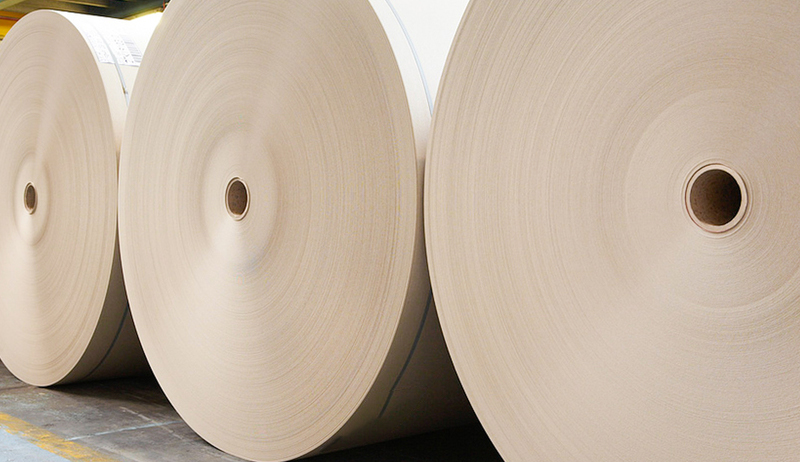
unbleached bamboo pulp paper for packaging retains natural lignin and hemicellulose content, eliminating chlorine-based or peroxide bleaching stages. This processing reduction yields measurable environmental and economic advantages while introducing specific performance constraints.
Technical specifications for unbleached grades:
- Brightness: 25-35% ISO (compared to 88-92% for fully bleached)
- Kappa number: 18-28 (indicating residual lignin content)
- Stiffness: 15-25% higher than bleached equivalent due to lignin rigidity
- Moisture sensitivity: Increased hygroscopicity requiring moisture barrier coatings
- Cost structure: 8-12% lower processing cost, offset by yield reduction (45-50% vs. 55-60%)
Visual and Tactile Characteristics of Natural Fiber Finish
Unbleached bamboo pulp exhibits distinctive aesthetic properties valued in premium sustainable packaging:
| Attribute | Unbleached Bamboo | Bleached Bamboo | Unbleached Kraft |
|---|---|---|---|
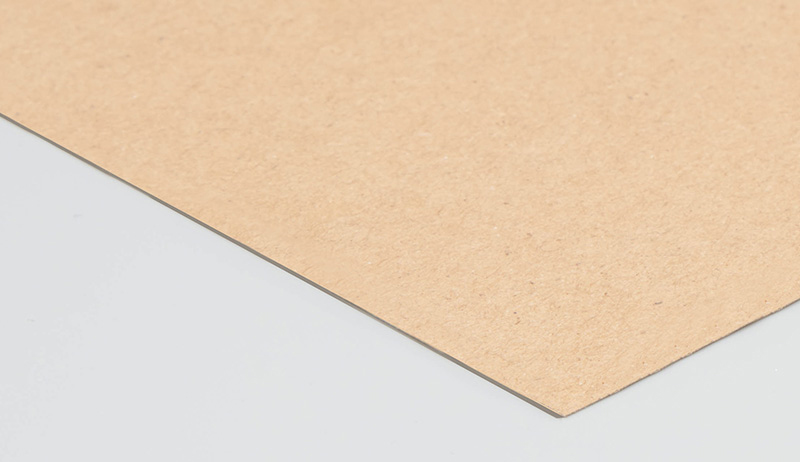
| Color | Warm beige to light brown | White to off-white | Dark brown to tan |
| Surface texture | Visible fiber flecks, natural variation | Smooth, uniform | Coarse, irregular |
| Printability | Requires opaque inks or white base | Standard 4-color process | Limited color accuracy |
| Consumer perception | Authentic, artisanal, eco-premium | Conventional, clean | Industrial, utilitarian |
Justeco's Unbleached Production Capabilities
Zhejiang Justeco Technology Co., Ltd. operates dedicated unbleached production lines within our 70,000 square meter manufacturing complex. Our 100,000 and 300,000 level cleanrooms maintain controlled particulate environments while processing natural fiber substrates. Annual capacity of 60,000 tons degradable materials includes substantial unbleached bamboo pulp allocation for food-contact and industrial packaging applications.
Food Safety and Compliance Standards
Bamboo Pulp Paper Wholesale Food Grade Certifications
bamboo pulp paper wholesale food grade procurement requires verification of comprehensive regulatory compliance across multiple jurisdictions. Food-contact materials must satisfy migration limits, substance restrictions, and Good Manufacturing Practice (GMP) requirements.
Critical certification frameworks include:
- FDA 21 CFR 176.170: Components of paper and paperboard in contact with aqueous and fatty foods
- EU Regulation 1935/2004: Framework regulation on materials intended to come into contact with food
- LFGB Section 30 and 31: German food and feed code compliance
- BRC Global Standard for Packaging Materials: Hygiene and safety management systems
- ISO 22000: Food safety management systems throughout the supply chain
FDA, EU, and LFGB Compliance Requirements
Regulatory divergence necessitates multi-standard compliance for global market access:
| Parameter | FDA Requirements | EU Requirements | LFGB Requirements |
|---|---|---|---|
| Heavy metals (Pb, Cd, Hg) | <50 ppm total | Migration limits per 10/2011/EU | <0.01 mg/dm² extractable |
| Fluorochemical treatments | Prior sanction required | PFAS restrictions increasing | Strict limitation on PFAS |
| Optical brighteners | Not permitted for food contact | Not permitted for food contact | Prohibited |
| Recycled content | Subject to prior approval | Permitted with NIAS assessment | Case-by-case evaluation |
| Migration testing | 21 CFR 176.170 extraction | OM 0-6 testing protocols | Modified polyphenol testing |
Cleanroom Manufacturing at 100,000 and 300,000 Levels
Our facility maintains ISO 14644-1 Class 8 (100,000) and Class 9 (300,000) cleanrooms for food-contact production. Environmental monitoring includes:
- Particle count: ≤3,520,000 particles/m³ (≥0.5μm) for Class 8
- Microbial monitoring: ≤100 CFU/m³ for airborne bioburden
- Positive air pressure differentials: 10-15 Pa relative to adjacent areas
- HVAC filtration: HEPA H13 (99.95% efficiency at 0.3μm)
This controlled environment infrastructure supports our ISO 22000 and FSSC 22000 certification requirements, ensuring hygienic production of food-grade bamboo pulp substrates.
Specialized Applications
Acid Free Bamboo Pulp Paper Archival Quality
acid free bamboo pulp paper archival grades require chemical stabilization to prevent degradation of enclosed documents or artifacts. Standard bamboo pulp exhibits inherent acidity (pH 5.5-6.5) due hemicellulose carboxyl groups and residual lignin phenolic compounds.
Archival-grade production requires:
- Calcium carbonate buffering: 2-3% by weight maintaining alkaline reserve
- Alpha-cellulose enrichment: Minimum 87% (ISO 9706)
- Lignin content reduction: Below 1% (Kappa number <5)
- Reductive bleaching: Hydrogen peroxide or sodium dithionite (no chlorine)
- Metal ion chelation: EDTA or DTPA treatment removing catalytic iron/copper
pH Neutrality and Longevity Standards
Archival paper specifications require stringent pH control:
| Standard | pH Requirement | Alkaline Reserve | Tear Resistance (mN·m²/g) |
|---|---|---|---|
| ISO 9706 (Permanence) | 7.5-10.0 (cold extraction) | ≥0.4 mol/kg acid | ≥5.0 |
| ANSI/NISO Z39.48 | 7.5-9.5 (surface pH) | ≥2% CaCO₃ equivalent | ≥6.0 |
| ISO 11108 (Archival board) | 7.5-9.5 | ≥0.8 mol/kg acid | ≥8.0 |
| DIN 6738 (L Permanence) | 7.5-9.5 | ≥0.4 mol/kg acid | ≥5.0 |
Museum and Document Preservation Specifications
Heritage institutions specify bamboo-derived archival materials for specific conservation applications:
- Interleaving paper: Buffered, unbuffered, or calcium carbonate precipitated variants
- Enclosure folders: Lignin-free, dye-free construction with passed P.A.T. (Photographic Activity Test)
- Boxboard: Laminated alkaline-buffered construction for structural support
- Japanese tissue repair: Long-fiber bamboo blends for artifact mending
Manufacturing and Procurement
Bamboo Pulp Paper Manufacturing Process Explained
bamboo pulp paper manufacturing process involves distinct stages compared to wood fiber processing, necessitating specialized equipment and chemical regimes.
Process flow and technical parameters:
| Process Stage | Key Parameters | Bamboo-Specific Considerations |
|---|---|---|
| Raw material preparation | Moisture 40-50%, chip size 20-30mm | Node removal, silica content management |
| Cooking (Kraft process) | Active alkali 18-22%, 160-170°C, 90-120 min | Higher alkali demand due to silica |
| Oxygen delignification | Pressure 0.6-0.8 MPa, 90-100°C | Essential for environmental compliance |
| Bleaching (ECF/TCF) | ClO₂ or H₂O₂ sequences | Silica scaling control critical |
| Stock preparation | Refining energy 100-150 kWh/t | Higher energy due to fiber morphology |
| Sheet formation | Speed 400-800 m/min | Drainage rate optimization required |
| Drying/calendering | Steam pressure 0.3-0.5 MPa | Moisture profile control for bulk preservation |
Pulping, Bleaching, and Sheet Formation Technologies
Modern bamboo pulping employs elemental chlorine-free (ECF) or totally chlorine-free (TCF) sequences meeting stringent environmental standards. Our integrated facility processes raw bamboo through finished sheet products, controlling:
- Yield optimization: 45-55% (alpha-cellulose basis)
- Effluent treatment: Anaerobic/aerobic biological systems achieving COD <100 mg/L
- Energy recovery: Black liquor concentration and combustion generating process steam
- Silica management: Precipitation and recovery systems preventing equipment scaling
Custom Bamboo Pulp Paper Sheets Bulk Orders
custom bamboo pulp paper sheets bulk procurement requires specification of dimensional, mechanical, and surface properties. Standard and custom parameters include:
- Basis weight: 30-400 g/m² (tissue to board grades)
- Caliper: 0.05-0.50mm (controlled via refining and pressing)
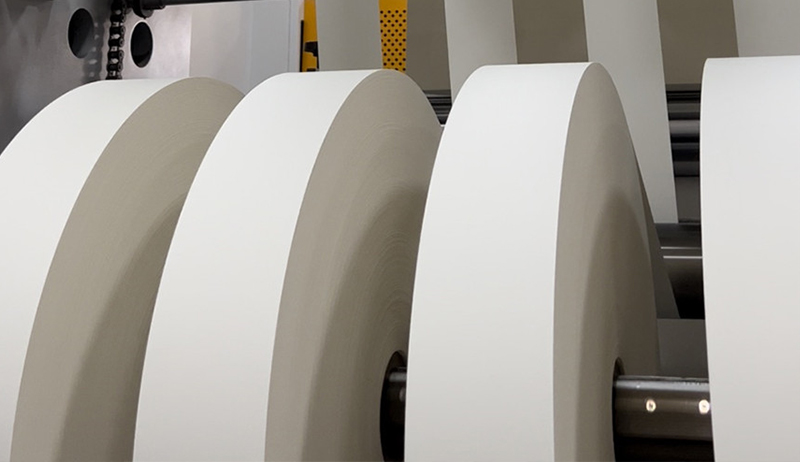
- Sheet dimensions: Jumbo rolls (width 1.0-2.5m) or precision sheeting
- Surface treatment: Sizing (AKD/ASA), coating (clay/carbonate), or barrier layers (PLA/PBAT)
- Certification: FSC® chain of custody, BPI compostability, DIN CERTCO compostability
Our annual capacity of nearly 1 billion finished products supports high-volume, consistent-quality supply for global distribution networks.
Why Choose Zhejiang Justeco Technology Co., Ltd.
60,000 Tons Annual Capacity and Supply Chain Stability
Our manufacturing scale ensures supply security for enterprise clients:
- Primary production base: 70,000 square meters integrated facility
- Equipment inventory: 200+ production and processing units
- Material throughput: 60,000 tons degradable materials annually
- Finished goods output: Approaching 1 billion units per year
- Raw material security: Long-term bamboo plantation partnerships
Full-Process Integration: Coating, Printing, Die-Cutting, Molding
Vertical integration eliminates intermediary handling and quality variance:
| Process Stage | Capability | Quality Control Point |
|---|---|---|
| Paper manufacturing | Multi-layer forming, up to 3-ply | Basis weight, moisture, formation uniformity |
| Surface coating | Extrusion coating, aqueous coating | Coat weight, adhesion, barrier properties |
| Flexographic printing | Up to 8 colors, water-based inks | Color registration, ink adhesion, migration testing |
| Die-cutting | Flatbed and rotary systems | Dimensional tolerance ±0.5mm |
| Thermoforming | Pressure and vacuum forming | Wall thickness uniformity, seal integrity |
Global Certifications and Quality Assurance Systems
Our certification portfolio demonstrates compliance with international standards:
- Quality management: ISO 9001:2015
- Environmental management: ISO 14001:2015
- Food safety: ISO 22000:2018, FSSC 22000
- Occupational health: ISO 45001:2018
- Forest stewardship: FSC® Chain of Custody
- Food safety (global markets): BRC, FDA, EU, LFGB, SABER
- Compostability: BPI (ASTM D6400), DIN CERTCO (EN 13432)
We welcome engagement from packaging distributors, food service operators, and sustainability-focused brands seeking reliable bamboo pulp paper supply partnerships with comprehensive technical support and documentation compliance.
Frequently Asked Questions
What distinguishes unbleached bamboo pulp paper for packaging from bleached grades?
Unbleached grades retain natural lignin (Kappa 18-28) resulting in 25-35% ISO brightness, warm beige coloration, and 15-25% higher stiffness. Processing eliminates chlorine or peroxide stages, reducing environmental impact and cost by 8-12%, though with increased moisture sensitivity requiring barrier coatings for high-humidity applications.
What certifications are essential for bamboo pulp paper wholesale food grade supply?
Essential certifications include FDA 21 CFR 176.170 for US market access, EU Regulation 1935/2004 and 10/2011/EU for European compliance, LFGB for German market entry, and BRC Global Standard for packaging safety management. ISO 22000 or FSSC 22000 certification demonstrates systematic food safety management, while BPI or DIN CERTCO verify compostability claims.
How does acid free bamboo pulp paper archival quality prevent document degradation?
Archival-grade production incorporates calcium carbonate buffering (2-3% by weight) maintaining pH 7.5-10.0 and alkaline reserve ≥0.4 mol/kg acid. Alpha-cellulose content exceeds 87%, lignin is reduced below 1%, and metal ions are chelated to prevent oxidative catalysis. These measures extend document lifespan to 100-200 years under proper storage conditions.
What are the critical stages in bamboo pulp paper manufacturing process?
Critical stages include silica-rich raw material preparation, high-alkali Kraft cooking (18-22% active alkali), oxygen delignification for environmental compliance, ECF or TCF bleaching with silica scaling control, high-energy refining (100-150 kWh/t), and controlled drying preserving bulk properties. Silica management throughout prevents equipment scaling and enables continuous operation.
What specifications should be defined for custom bamboo pulp paper sheets bulk orders?
Define basis weight (30-400 g/m²), caliper requirements, sheet or roll dimensions, surface properties (sized, coated, or barrier-treated), and required certifications (FSC®, compostability, food-contact). Specify mechanical properties (tensile, tear, burst) and aesthetic requirements (brightness, opacity, formation). Our technical team provides specification development support ensuring fit-for-purpose material selection.
References
- International Organization for Standardization. (2022). ISO 9706:1994 Information and documentation — Paper for documents — Requirements for permanence. Geneva, Switzerland: ISO.
- American National Standards Institute. (2022). ANSI/NISO Z39.48-1992 (R2009) Permanence of Paper for Publications and Documents in Libraries and Archives. Bethesda, MD: NISO.
- U.S. Food and Drug Administration. (2023). Code of Federal Regulations Title 21, Part 176 — Indirect Food Additives: Paper and Paperboard Components. Silver Spring, MD: FDA.
- European Parliament and Council. (2011). Regulation (EU) No 10/2011 on plastic materials and articles intended to come into contact with food. Official Journal of the European Union.
- Biodegradable Products Institute. (2023). ASTM D6400 Standard Specification for Labeling of Plastics Designed to be Aerobically Composted in Municipal or Industrial Facilities. New York, NY: ASTM International.
- Casey, J. P. (2012). Pulp and Paper: Chemistry and Chemical Technology. Volume 1: Pulping and Papermaking. Hoboken, NJ: John Wiley & Sons.
- Sixta, H. (2006). Handbook of Pulp. Weinheim: Wiley-VCH Verlag GmbH & Co. KGaA.

Leave A Comment
Recommend Products

-
Give Us A Call
+86-17681768990
- Send Us A Message
-
Factory Address
#99, Rd. Keji, Longgang City, Zhejiang Province, China

