

 English
 Español
What Is Coated Kraft Paper Used For?
Understanding Coated Kraft Paper Basics
In the packaging and printing industries, the selection of substrate material dictates the final product's performance, aesthetic appeal, and environmental footprint. Coated Kraft Paper represents a significant advancement over traditional uncoated varieties, engineered to provide superior barrier properties and printability. The coating process involves applying a layer of pigment and binder to the paper surface, which fills the voids between fibers, resulting in a smoother, more uniform finish.
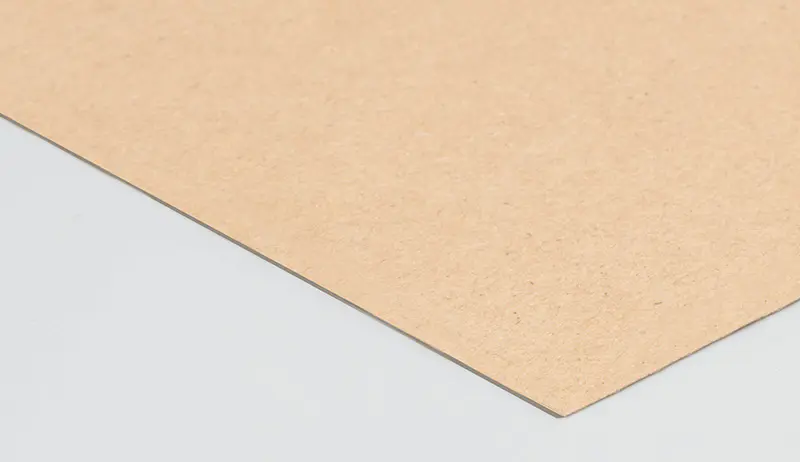
The Difference Between Single Side Coated Kraft Paper and Uncoated Variants
From a technical perspective, the coating layer fundamentally alters the surface energy and porosity of the sheet. Single side coated kraft paper is particularly versatile, offering a printable surface on one side while maintaining the inherent strength and rustic appearance of kraft pulp on the reverse. This duality is essential for applications requiring high-resolution graphics but where cost-efficiency and structural integrity are also priorities.
| Property | Single Side Coated Kraft Paper | Uncoated Kraft Paper |
| Surface Smoothness | High; optimized for fine halftone printing | Rough; limits ink holdout and resolution |
| Ink Absorption | Controlled; prevents ink spread (feathering) | High; can lead to dot gain and dull images |
| Barrier Properties | Enhanced potential for grease/moisture resistance | Low; requires additional treatment for barriers |
Key Applications in Modern Industry
The functional versatility of coated kraft extends across multiple sectors, driven by consumer demand for durable yet sustainable packaging.
Why Choose Coated Kraft Paper for Food Packaging?
Food safety is paramount in packaging engineering. Coated kraft paper for food packaging is designed to act as a critical barrier against external contaminants while retaining the mechanical strength required for heavy loads. The coating acts as a functional layer, providing resistance against oil, grease, and moisture, which is vital for products like fast food, baked goods, and frozen items. Furthermore, the substrate must comply with rigorous FDA and EU food contact regulations, ensuring no migration of harmful substances into the food.
The Rise of Plastic Free Coated Kraft Paper
With global regulations tightening around single-use plastics, the industry has pivoted toward innovative alternatives. Plastic free coated kraft paper utilizes water-based or bio-based dispersions to achieve barrier properties traditionally associated with polyethylene (PE) coatings. Unlike traditional PE-coated paper, which is difficult to recycle due to the plastic film, plastic-free alternatives allow for easier recycling or composting within standard paper waste streams. This aligns with circular economy principles and reduces the environmental impact of disposable packaging.
Material Options and Specifications
Selecting the correct grade and finish is crucial for optimizing the balance between cost and performance.
Benefits of Bleached Coated Kraft Paper Sheets
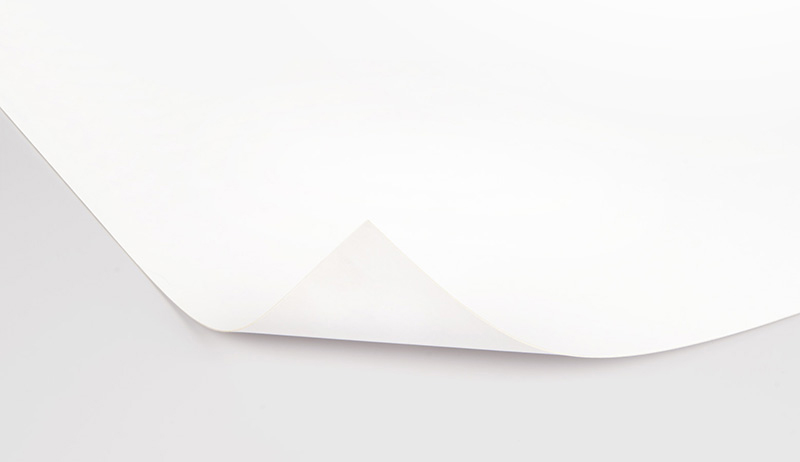
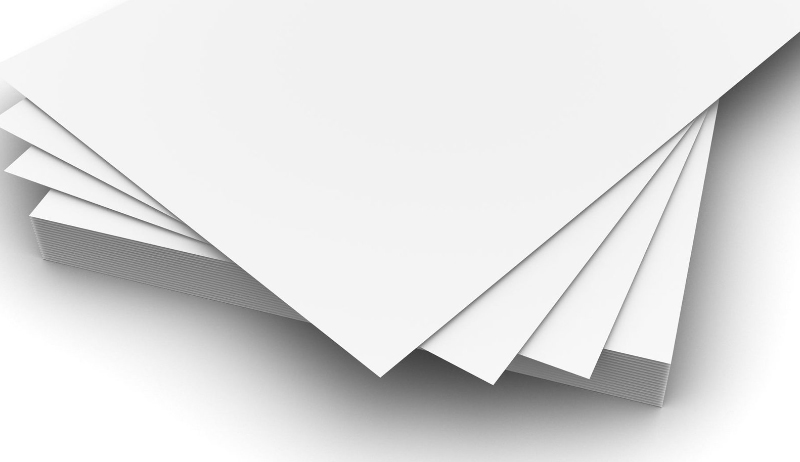
While natural kraft is known for its brown color, bleached coated kraft paper sheets offer a pristine white surface that serves as an ideal canvas for branding. The bleaching process removes lignin and impurities, resulting in high brightness and opacity. This substrate is preferred for high-end retail packaging and luxury food wrappers where color accuracy and vibrancy are non-negotiable.
- Color Reproduction: Superior contrast and color pop compared to natural kraft.
- Surface Feel: Smooth, premium tactile experience.
- Versatility: Suitable for flexographic, offset, and gravure printing processes.
Sourcing and Manufacturing Excellence
For procurement officers, supply chain reliability is as critical as product quality.
Advantages of Buying Coated Kraft Paper Roll Wholesale
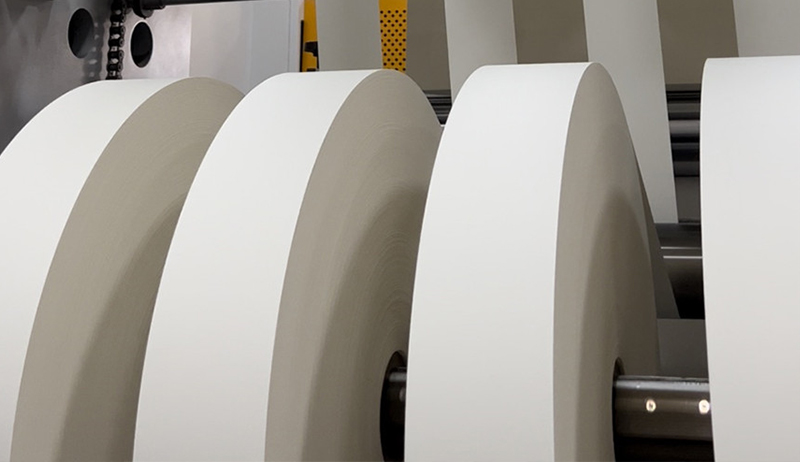
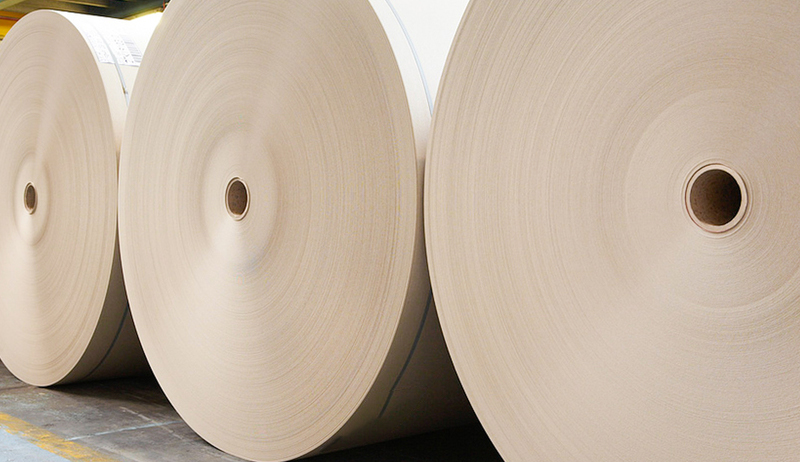
Purchasing coated kraft paper roll wholesale offers distinct advantages for high-volume converters and manufacturers. It ensures production continuity, reduces per-unit logistics costs, and allows for consistent quality control across large batches. Working with a capable manufacturer ensures that the rolls are wound uniformly to prevent telescoping and ensure smooth operation on high-speed converting lines.
About Zhejiang Justeco Technology Co., Ltd.
A Leader in Sustainable Packaging Solutions
Zhejiang Justeco Technology Co., Ltd. is a company dedicated to providing sustainable and environmentally friendly packaging solutions for customers. The company has a strong and stable supply capacity and owns a modern production base of over 70,000 square meters in Zhejiang, China. It is equipped with cleanrooms of 100,000 and 300,000 levels, as well as more than 200 sets of production and processing equipment.
Advanced Production Capabilities and Certifications
The company has an annual production capacity of approximately 60,000 tons of degradable materials and nearly 1 billion finished products. It is a manufacturing enterprise with full-process capabilities in the processing, printing, disposable degradable food packaging, and paper tableware of degradable materials, achieving comprehensive coverage of the industry chain. We provide processing services for cardboard materials to our customers, covering a complete set of production processes such as food-grade paper, paper coating, coating, flexographic printing, die-cutting, and molding. We strictly adhere to industry product standards and uphold the business philosophy of "integrity, professionalism, innovation, and win-win." We have obtained certifications for management systems or standards such as ISO9001, ISO14001, ISO22000, ISO45001, FSC®, BRC, BPI, DIN, LFGB, SABER, FDA, and EU food regulations.
Conclusion
The evolution of Coated Kraft Paper reflects the packaging industry's shift towards high-performance, sustainable materials. Whether utilized for food safety or branding aesthetics, this material remains a cornerstone of modern manufacturing. Partnering with experienced producers like Zhejiang Justeco Technology Co., Ltd. ensures access to top-tier materials backed by robust environmental compliance.
Frequently Asked Questions (FAQ)
1. Is coated kraft paper recyclable?
Yes, recyclability depends on the coating type. While traditional PE coatings require special separation, modern plastic free coated kraft paper can often be recycled directly in standard paper recycling streams.
2. What is the main benefit of single side coated kraft paper?
Single side coated kraft paper offers a cost-effective solution by providing an excellent printing surface on one side while maintaining the high tensile strength of uncoated kraft on the other.
3. Can coated kraft paper be used for hot food packaging?
Absolutely. Grades designed as coated kraft paper for food packaging often feature heat-resistant coatings that prevent grease penetration and maintain structural integrity even when holding hot, oily foods.
4. How does bleached kraft differ from natural kraft in terms of strength?
The bleaching process used for bleached coated kraft paper sheets can slightly reduce tear strength compared to natural kraft due to fiber shortening, but it significantly improves stiffness and print quality.
5. What certifications should I look for in a supplier?
For food contact materials, essential certifications include FDA, LFGB, and ISO22000. For sustainability claims, look for FSC® and BPI certifications, which are held by leading manufacturers like Zhejiang Justeco Technology Co., Ltd.
References
- TAPPI Technical Association of the Pulp and Paper Industry. "Standard Test Methods for Paper and Paperboard."
- European Paper Recycling Council (EPRC). "Assessment of Recyclability of Paper Products."
- Food and Drug Administration (FDA). "Food Contact Substances (FCS) Guidelines."

Leave A Comment
Recommend Products
-
Give Us A Call
+86-17681768990
- Send Us A Message
-
Factory Address
#99, Rd. Keji, Longgang City, Zhejiang Province, China

