

 English
 Español
Why Choose Coated Kraft Paperboard for Your Packaging Needs?
What Is Coated Kraft Paperboard?
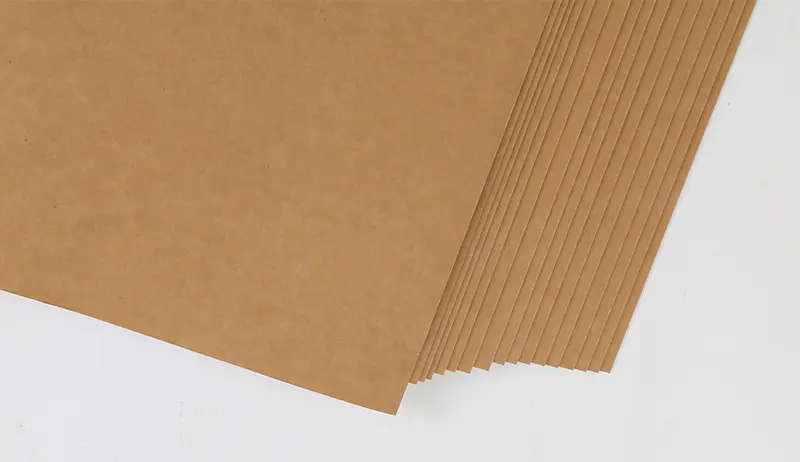
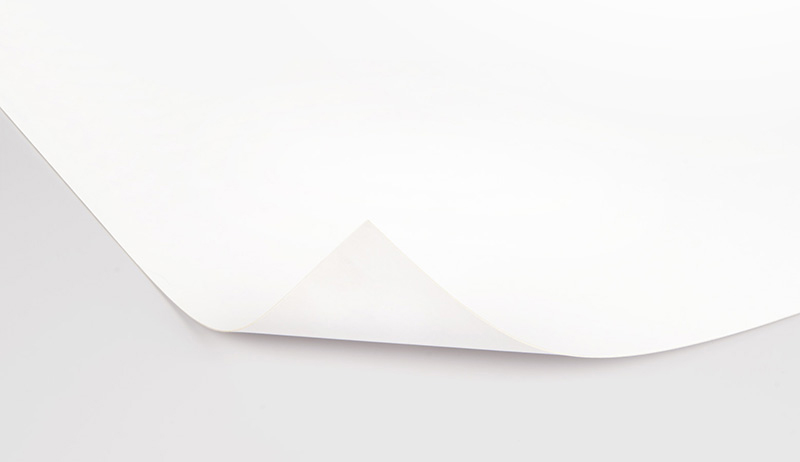
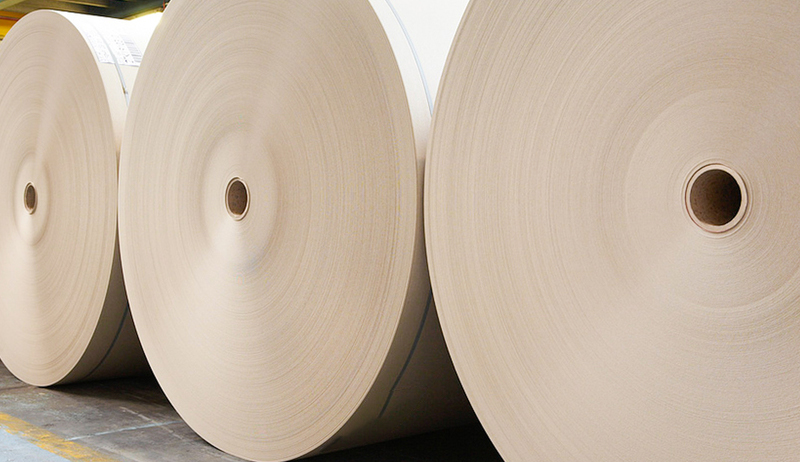
Coated Kraft Paperboard is a high-strength paperboard made from long-fiber kraft pulp, treated with a surface coating to enhance its barrier properties, printability, and durability. The coating—often clay-based, or via bio-coatings such as PLA (polylactic acid)—creates a smooth, uniform surface that supports high-quality printing and reliable moisture or grease resistance. :contentReference[oaicite:0]{index=0}
This coating process enables the paperboard to retain the natural toughness of kraft fiber while gaining enhanced functional characteristics like water resistance, oil resistance, tear strength, and improved aesthetics. As a result, coated kraft paperboard is widely used for food packaging, disposable containers, consumer goods packaging, and other applications demanding both robustness and good appearance. :contentReference[oaicite:1]{index=1}
- Strong base structure from virgin kraft pulp — high tear and burst resistance
- Surface coating (clay/PLA) for barrier properties and smooth print surface
- Compatibility with flexographic and offset printing — vibrant graphics and sharp text
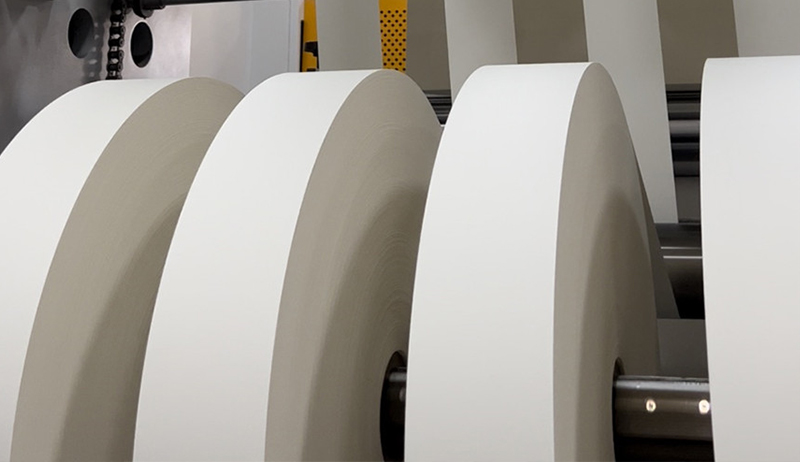
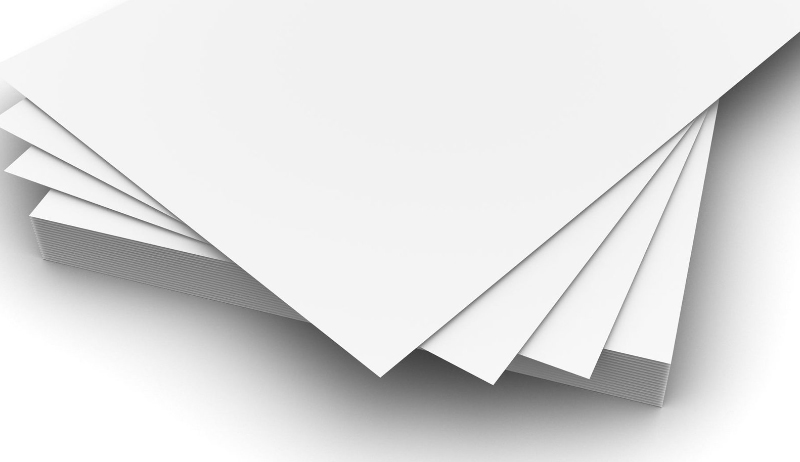
- Versatility in finishing: single-side, double-side, custom cuts, rolls or sheets
Key Advantages of Coated Kraft Paperboard
Coated kraft paperboard’s blend of strength, barrier properties, and print quality make it a top choice for brands and manufacturers seeking reliable packaging materials. Because of its robust fiber structure and coated surface, it performs well in scenarios where standard paperboard might fail — such as exposure to moisture, grease, or rough handling during distribution. :contentReference[oaicite:2]{index=2}
Barrier Performance: Water, Oil, Moisture Resistance
With coatings such as PLA or water-based sealants, coated kraft paperboard exhibits high resistance to water and oil penetration — a vital trait for food packaging, takeaway containers, and industrial packaging. The barrier helps preserve product freshness, prevent leakages, and maintain structural integrity even under humid or variable environmental conditions. :contentReference[oaicite:3]{index=3}
Durability and Tear Strength
The inherent strength of kraft fibers — long and tough — means that even after coating and finishing, coated kraft paperboard retains excellent tear resistance, burst strength, and puncture resistance. This makes it suitable for heavy-duty packaging, shipment cartons, and containers that must endure repeated handling without failure. :contentReference[oaicite:4]{index=4}
Print Quality and Aesthetic Flexibility
Because of its smooth coated surface, coated kraft paperboard supports high-resolution printing, vibrant color rendering, and detailed graphics. That makes it ideal for retail packaging, brand-sensitive goods, and premium products where visual appeal matters. Flexographic and other coating-compatible printing methods produce crisp images and consistent color — a major advantage for packaging designers. :contentReference[oaicite:5]{index=5}
Applications of Coated Kraft Paperboard Across Industries
Thanks to its balanced mix of strength, barrier performance, and print compatibility, coated kraft paperboard finds applications in multiple fields — from food packaging to consumer goods, and industrial shipping. It’s especially popular for disposable food containers, takeaway packaging, paper bowls, grocery bags, gift boxes, and rigid carton boxes. :contentReference[oaicite:6]{index=6}
- Food packaging: disposable lunch boxes, paper bowls, takeaway containers
- Consumer goods: cosmetics boxes, light electronics packaging, retail boxes
- Industrial & shipping: heavy-duty cartons, tier sheets, product protection layers
- Eco-friendly and biodegradable packaging: using PLA or water-based coatings to reduce plastic use
How to Choose the Right Coated Kraft Paperboard Grade
Not all coated kraft paperboards are created equal. Selection depends on intended use — whether food packaging requiring waterproof and grease-resistant surfaces, or retail packaging prioritizing print quality and stiffness. When evaluating options, consider coating type (PLA, PE, water-based), board weight (gsm), surface smoothness, and compliance with safety or environmental standards. :contentReference[oaicite:7]{index=7}
Comparison of Common Coating Types
| Coating Type | Major Benefits | Typical Use Cases |
| PLA Coating | Biodegradable, compostable, water & oil resistant, eco-friendly | Food packaging, disposable containers, eco-brands |
| Water-Based Coating | Lower VOC emissions, good print surface, moderate barrier | Retail boxes, printed packaging, mid-range products |
| PE / Plastic Coating | Strong moisture & grease barrier, high durability | Industrial packaging, heavy-duty cartons, moisture-sensitive goods |
Considerations for Food-Grade and Sustainable Packaging
For applications involving food or human contact, selecting coatings and base papers that meet safety and environmental standards is critical. PLA-coated paperboard is increasingly preferred because it combines compostability with functional performance. It meets many regulatory requirements for food-contact packaging and aligns with growing consumer demand for sustainable materials. :contentReference[oaicite:8]{index=8}
FAQ
Is coated kraft paperboard safe for food packaging?
Yes. When produced to food-grade standards, coated kraft paperboard — especially with PLA or water-based coatings — can safely contact food. The coatings create a moisture and oil barrier, preventing contamination and ensuring hygiene, while the kraft base provides structural strength. :contentReference[oaicite:9]{index=9}
Can coated kraft paperboard replace plastic packaging?
Absolutely. Many modern coating technologies (PLA, water-based) provide moisture and grease resistance comparable to plastic, while offering better recyclability or compostability. As environmental regulations tighten, coated kraft paperboard becomes a viable, eco-conscious alternative to traditional plastic-lined packaging. :contentReference[oaicite:10]{index=10}
How durable is coated kraft paperboard under heavy load or rough handling?
Coated kraft paperboard retains much of the original strength of kraft fiber, including high tear resistance, puncture resistance, and burst strength. With proper coating and appropriate board weight (e.g. 200–350 gsm or more), it handles heavy-duty packaging, shipping, and industrial applications reliably. :contentReference[oaicite:11]{index=11}
Is coated kraft paperboard environmentally friendly?
Yes, particularly when coated with biodegradable materials like PLA or using water-based coatings. The base kraft paper is usually derived from sustainably managed forests and remains recyclable and biodegradable. Many coated kraft paperboards now align with circular-economy principles and meet environmental certification standards. :contentReference[oaicite:12]{index=12}
What printing quality can be achieved on coated kraft paperboard?
The smooth coated surface supports high-resolution flexographic or offset printing, enabling vibrant colors, fine details, and consistent branding. This makes coated kraft paperboard suitable for retail-grade and premium packaging where appearance matters. :contentReference[oaicite:13]{index=13}

Leave A Comment
Recommend Products
-
Give Us A Call
+86-17681768990
- Send Us A Message
-
Factory Address
#99, Rd. Keji, Longgang City, Zhejiang Province, China

