

 English
 Español
Is Coated Bamboo Paper the Future of Packaging?
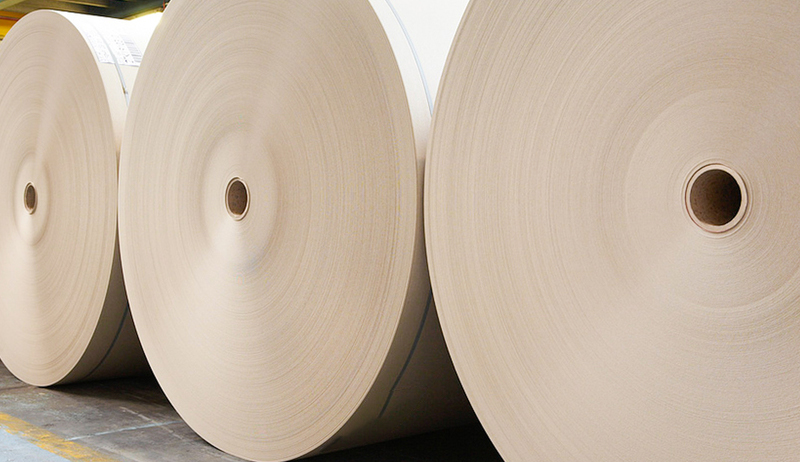
PP/PE Coated Bamboo Pape
In the global push for sustainability, businesses are actively seeking alternatives to traditional plastic and paper packaging. A revolutionary material leading this charge is PP/PE Coated Bamboo Paper. This innovative substrate combines the rapid renewability and strength of bamboo pulp with the functional barrier properties of a plastic coating. It offers a compelling solution for brands looking to enhance performance without compromising their environmental commitments. But is it the right material for your specific application? This guide provides a deep dive into its properties, benefits, and strategic uses.
1. The Core Composition: Understanding Bamboo and Its Coating
To appreciate the value of PP/PE Coated Bamboo Paper, we must first understand its two core components. The base is bamboo pulp, derived from one of the fastest-growing plants on Earth. Bamboo is a highly renewable resource that requires minimal water and no pesticides to thrive, making it an exceptionally eco-friendly alternative to traditional wood pulp. This bamboo base forms a strong, dense, and naturally beautiful paper. The second component is the coating—either Polypropylene (PP) or Polyethylene (PE). This thin, food-grade plastic layer is applied to one or both sides of the paper to provide essential barrier properties. This coating is what makes the paper resistant to moisture, grease, and oil, transforming it from a simple sheet into a high-performance packaging material.
- Bamboo Base: Highly renewable, strong, and biodegradable (when uncoated).
- PP/PE Coating: Provides a moisture, grease, and oxygen barrier.
- The Result: A versatile, high-performance paper suitable for food service and retail packaging.
2. Performance and Barrier Properties: Why It Works
The primary function of many packaging materials is protection. PP/PE Coated Bamboo Paper excels in this area due to its excellent barrier properties. The plastic coating creates an impermeable layer that prevents liquids, oils, and greases from soaking through the paper. This makes it an ideal choice for food packaging, such as wrapping for greasy foods, takeout containers, and bakery bags. Furthermore, the coating acts as a barrier to oxygen, which helps to extend the shelf life of food products by slowing down oxidation and spoilage. The underlying bamboo paper contributes significant tensile strength and tear resistance, ensuring the package can withstand the rigors of handling, transportation, and consumer use without ripping or failing.
2.1 Moisture and Grease Resistance
This is the key functional advantage. Whether it's a hot burger with sauce or a buttery croissant, the PP/PE coating ensures the packaging remains clean, dry, and structurally sound. This prevents messes, maintains food quality, and enhances the customer's experience.
2.2 Printability and Branding Potential
The smooth, non-porous surface of the plastic coating is an excellent substrate for high-quality printing. It allows for vibrant, sharp graphics and fine text, enabling brands to create visually stunning packaging that stands out on the shelf. The natural, light tone of the bamboo paper also provides a premium, earthy backdrop that enhances brand storytelling.
3. Sustainability and Environmental Impact
The environmental story is a major driver for the adoption of PP/PE Coated Bamboo Paper. The use of bamboo as the primary fiber is its most significant green credential. Bamboo can be harvested in 3-5 years, compared to decades for trees, and it regenerates from its own root system, eliminating the need for replanting. This makes it a highly sustainable and carbon-efficient raw material. However, it is important to note that the PP/PE coating is a plastic and is not biodegradable. This means the entire composite material is not readily biodegradable or compostable in standard facilities. The most sustainable end-of-life option is often recycling through specialized streams that can separate the paper from the plastic. For brands seeking a fully compostable solution, a PLA (Polylactic Acid) coated bamboo paper is a better alternative.
3.1 The Renewable Advantage of Bamboo
Bamboo's rapid growth cycle and minimal resource requirements make it a champion of sustainable forestry. It produces 35% more oxygen than an equivalent stand of trees and sequesters significant amounts of carbon dioxide, making its cultivation beneficial for the environment.
2.2 Understanding End-of-Life Options
It's crucial to be transparent about the material's disposal. While not biodegradable, it is still a more sustainable choice than 100% plastic packaging because it uses a rapidly renewable resource and reduces overall plastic consumption. The focus should be on promoting recycling and exploring future innovations in recycling technology for these composite materials.
4. Key Applications and Use Cases
The unique combination of strength, barrier properties, and aesthetic appeal makes PP/PE Coated Bamboo Paper incredibly versatile across various industries. Its most prominent application is in the food service sector. It is widely used for fast-food wrappers, French fry holders, sandwich wedges, and paper bowls. The grease-proof quality is essential for these items. Beyond food, it is also an excellent choice for retail packaging. It can be used for protective interleaving layers, shopping bags with a water-resistant interior, and product sleeves for items that need protection from moisture. Its premium feel also makes it suitable for cosmetic packaging and luxury goods, where a natural yet high-performance look is desired.
4.1 Food Service and Takeout Packaging
This is the material's sweet spot. It provides the necessary performance to keep food fresh and presentable, while its bamboo base allows brands to communicate a commitment to sustainability, a key differentiator for environmentally conscious consumers.
4.2 Retail and Consumer Goods
For products ranging from electronics to soaps, this paper offers a unique unboxing experience. It provides protection, a premium feel, and a surface for high-impact branding, all while aligning with a company's sustainability goals.
5. Comparing Coating Types: PP/PE vs. PLA
When choosing a coated bamboo paper, a critical decision is the type of coating. While PP/PE offers excellent performance and cost-effectiveness, PLA (Polylactic Acid) coating is another popular option. PLA is a bio-based plastic derived from fermented plant starch (like corn). The key difference is its end-of-life profile. PLA is commercially compostable under industrial conditions, meaning the entire package can be composted along with other organic waste. However, PLA has a lower heat resistance than PP/PE and can be more expensive. The choice between them depends on your product's specific needs and your brand's primary sustainability message: performance and renewable resources (PP/PE) or full compostability (PLA).
| Feature | PP/PE Coated Bamboo Paper | PLA Coated Bamboo Paper |
| Source | Base: Bamboo (Renewable). Coating: Fossil-based Plastic. | Base: Bamboo (Renewable). Coating: Plant-based Bioplastic. |
| Barrier Properties | Excellent moisture, grease, and oxygen barrier. | Good moisture and grease barrier, but lower heat resistance. |
| End-of-Life | Not biodegradable. Recyclable in specialized streams. | Commercially compostable in industrial facilities. |
| Cost | Generally more cost-effective. | Typically higher cost. |
FAQ
Is PP/PE coated bamboo paper waterproof?
Yes, it is effectively waterproof. The PP (Polypropylene) or PE (Polyethylene) coating creates a non-porous, impermeable barrier that prevents water and other liquids from passing through to the bamboo paper base. This makes it ideal for packaging wet or greasy foods and for any application requiring moisture resistance.
Is this material recyclable?
This is a complex question. The composite nature of paper and plastic makes it difficult to recycle in standard paper or plastic streams. However, it can be recycled through specialized facilities that have the technology to separate the paper fibers from the plastic coating. The availability of these streams varies by region. It is not biodegradable or compostable in a backyard bin.
What is the difference between PE and PLA coating?
The main difference is the source and end-of-life. PE (Polyethylene) is a traditional, fossil fuel-based plastic that is not biodegradable. PLA (Polylactic Acid) is a bio-based plastic derived from plants like corn. The key advantage of PLA is that it is commercially compostable, meaning the entire coated paper can be broken down in an industrial composting facility.
Why use bamboo instead of wood pulp for paper?
Bamboo is a far more sustainable raw material. It is one of the fastest-growing plants on Earth, reaching maturity in just 3-5 years compared to 20-30 years for most trees. It requires significantly less water and no pesticides, and it regenerates on its own after harvesting, making it a highly renewable and eco-friendly resource for paper production.

Leave A Comment
Recommend Products
-
Give Us A Call
+86-17681768990
- Send Us A Message
-
Factory Address
#99, Rd. Keji, Longgang City, Zhejiang Province, China

