

 English
 Español
Why Choose Coated Kraft Board?
In the rapidly evolving landscape of sustainable packaging, the demand for materials that balance ecological responsibility with functional performance has never been higher. As businesses and consumers alike pivot away from single-use plastics, the spotlight has firmly landed on paper-based solutions that offer the necessary durability and barrier properties. Among these, coated kraft board has emerged as a superior alternative for a wide array of packaging applications, ranging from food delivery containers to heavy-duty shipping boxes. This material combines the inherent strength and natural aesthetic of kraft paper with the protective qualities of specialized coatings, creating a versatile substrate that meets the rigorous demands of modern logistics and food service. The transition to PE coated kraft paper board and other variations is driven not only by regulatory pressures but by a genuine corporate desire to reduce environmental footprints without compromising product integrity. By understanding the technical specifications and applications of these materials, businesses can make informed decisions that enhance their brand image while ensuring the safety and security of their products during transport and storage.
Understanding Coated Kraft Board
Coated kraft board is essentially a high-strength paperboard that has been treated with a thin layer of polymer or other functional materials to enhance its physical properties. The base material is kraft pulp, known for its long fibers and superior mechanical strength compared to other paper types. The coating process transforms this porous paper into a barrier against elements that typically degrade paper, such as moisture, grease, and gases. This makes coated kraft board an ideal candidate for packaging that needs to hold liquids, oily foods, or survive humid environments. Unlike uncoated paper, which can quickly lose its structural integrity when exposed to water or oil, the coated variants maintain their rigidity and protective qualities. Furthermore, advancements in coating technology have allowed for the development of water-based and biodegradable coatings, offering an eco-friendly alternative to traditional polyethylene. This innovation is critical for industries looking to adopt circular economy models while ensuring their packaging remains robust and reliable throughout the supply chain.
The Composition of PE Coated Kraft Paper Board
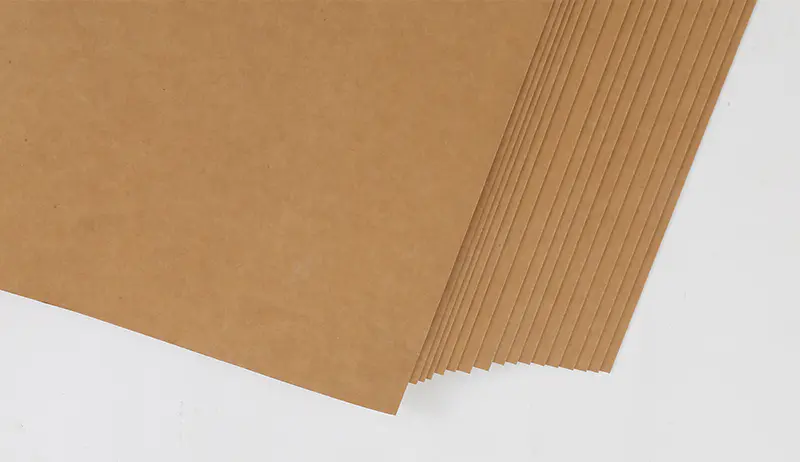
One of the most common forms of this material is PE coated kraft paper board, where a layer of polyethylene (PE) is extruded onto the surface of the kraft board. This polyethylene layer serves as a formidable barrier against moisture and water vapor, which is essential for packaging frozen foods, fresh produce, or beverages. The composition typically involves a sturdy kraft backside for printability and structural support, and a PE-coated interior that acts as the contact surface for the product. This combination allows the paper to be heat-sealed, enabling the creation of secure, tamper-evident packages without the need for adhesives that might compromise food safety. The versatility of PE coating lies in its ability to be applied in varying thicknesses; a thin layer offers basic moisture resistance for dry goods, while a thicker gauge provides the heavy-duty barrier required for liquids and greasy foods. This adaptability makes it a staple in the food service industry, balancing cost-effectiveness with high-performance functionality.
Barrier Properties and Moisture Resistance
The primary function of the coating in PE coated kraft paper board is to provide a barrier. Paper is naturally hydrophilic, meaning it absorbs water, which leads to swelling and loss of strength. The polyethylene coating is hydrophobic, creating an impermeable shield that prevents water molecules from penetrating the paper fibers. This is crucial for maintaining the crispness of the package and the freshness of the contents. Additionally, these coatings can be formulated to provide resistance to oils and greases, preventing unsightly stains and structural failure caused by food fats.
| Property | Uncoated Kraft Board | PE Coated Kraft Board |
| Moisture Resistance | Low (Absorbs water) | High (Waterproof barrier) |
| Grease Resistance | Low | Medium to High |
| Heat Sealability | None (Requires glue) | Excellent (Heat sealable) |
| Print Finish | Matte, Absorbent | Glossy or Matte, Smooth |
Mechanical Strength and Durability
Beyond barrier properties, heavy duty kraft paper board is engineered for structural integrity. The combination of long kraft fibers and the reinforcing nature of the coating results in a material that can withstand significant weight and impact. This is particularly important for shipping boxes and carryout containers that must be stacked or handled roughly. The coating adds an extra layer of tear resistance and helps the board retain its shape under load, ensuring that the packaged goods arrive at their destination in perfect condition.
| Characteristic | Standard Board | Heavy Duty Kraft Board |
| Bursting Strength | Standard | High |
| Crush Resistance (ECT) | Low to Medium | High |
| Folding Endurance | Good | Excellent |
| Moisture Stability | Poor when wet | Stable when wet |
Applications for Heavy Duty Kraft Paper Board
The applications for heavy duty kraft paper board are vast and varied, spanning multiple industries. In the logistics sector, it is used to create heavy-duty shipping boxes that replace wooden crates in some applications, reducing weight and shipping costs while maintaining strength. In the retail sector, it is used for sturdy, premium-looking packaging that conveys a message of sustainability and quality. Its ability to be printed with high-quality graphics makes it a favorite for consumer-facing packaging, where shelf appeal is paramount. Furthermore, the material's rigidity makes it suitable for furniture board, backing for notepads, and protective dividers in packaging.
- Shipping Boxes: Replacing corrugated boxes for heavier items.
- Furniture Board: Used as structural backing for drawers and cabinets.
- Retail Packaging: Luxury boxes for electronics, cosmetics, and apparel.
- Industrial Dividers: Strong partitions for palletizing goods.
Safety and Compliance Standards
As packaging materials increasingly come into direct contact with food, safety and compliance have become non-negotiable aspects of production. Consumers are more informed than ever about the materials touching their food, and regulations are becoming stricter globally. Food grade kraft board represents a category of materials that have been rigorously tested and certified to be safe for direct food contact. This involves ensuring that the board does not transfer harmful chemicals, odors, or tastes to the food. Manufacturers must navigate a complex landscape of international standards to serve global markets, making certifications a critical selling point. Whether it is a hot soup container or a frozen food box, the material must perform under temperature extremes without degrading or leaching substances. This focus on safety extends beyond the material itself to the manufacturing environment, where hygiene and cleanliness are paramount to preventing contamination.
Ensuring Safety with Food Grade Kraft Board
Food grade kraft board is manufactured under strict sanitary conditions using raw materials that are approved for food contact. The coatings used, whether they are PE (Polyethylene) or biodegradable alternatives like PLA (Polylactic Acid), must also comply with food safety regulations. The primary concern is the migration of substances from the packaging into the food, particularly when the food is hot, fatty, or acidic. High-quality food-grade board undergoes extensive testing to ensure migration levels are well below safety limits. This certification allows manufacturers to print "Safe for Food Contact" or similar markings on their packaging, which builds trust with the end consumer. Furthermore, the use of elemental chlorine-free (ECF) or totally chlorine-free (TCF) bleaching processes in the pulp production ensures that no harmful dioxins are present in the final product.
Certifications and Global Standards
To operate in the global market, manufacturers of food grade kraft board must obtain a suite of certifications that attest to the safety and quality of their products. These certifications are not just badges of honor; they are often mandatory for customs clearance and acceptance by major retailers. Certifications such as FDA (USA), EU food regulations, and LFGB (Germany) signify that the material meets specific chemical safety requirements for food contact.
| Certification | Region | Significance |
| FDA | United States | Standard for food contact safety |
| EU Regulations | European Union | Comprehensive framework for food materials |
| LFGB | Germany | Higher standard than EU, knife/fork test |
| SABER | Saudi Arabia | Compliance for export to Middle East |
Hygienic Manufacturing Processes
Producing food grade kraft board requires more than just safe materials; it demands a hygienic manufacturing environment. Leading manufacturers operate cleanrooms to control particulate contamination. These facilities utilize high-efficiency particulate air (HEPA) filtration systems to maintain air purity, ensuring that dust, microbes, and other contaminants are kept to a minimum. This level of control is essential for products like greaseproof kraft liner and paper tableware that come into direct contact with food. By adhering to ISO management systems such as ISO22000 (Food Safety Management) and ISO9001 (Quality Management), companies can guarantee consistent safety and quality in every batch produced.
| Standard | Focus | Benefit |
| ISO22000 | Food Safety Management | Prevents food safety hazards |
| ISO9001 | Quality Management | Consistent product quality |
| BRC | Food Safety Standard | Global recognition for safety |
| Cleanroom Environment | Contamination Control | Ensures product hygiene |
Specialized Uses: Greaseproof Kraft Liner
One of the most challenging applications for paper packaging is containing oily or greasy foods without leakage. Greaseproof kraft liner is specifically engineered to meet this challenge. This material undergoes a specialized treatment, often involving a high level of mechanical refining or the application of specific grease-resistant coatings, to densify the paper structure and reduce porosity. This makes it an essential component for fast-food wrappers, pastry bags, pizza boxes, and liners for baskets. The ability to hold grease without becoming soggy or transparent preserves the appetite appeal of the food and prevents messes for the consumer. As the food service industry moves away from plastic-lined paper due to environmental concerns, new formulations of greaseproof kraft liner utilizing fluorine-free chemical (FFC) treatments are becoming the industry standard, offering high performance without the environmental persistence of traditional PFAS chemicals.
Sustainable Manufacturing at Zhejiang Justeco Technology Co., Ltd.
Zhejiang Justeco Technology Co., Ltd. stands at the forefront of the sustainable packaging revolution, dedicated to providing environmentally friendly packaging solutions that meet the highest standards of quality and performance. As a manufacturing enterprise with full-process capabilities, Justeco embodies the integration of sustainability and industrial efficiency. The company owns a modern production base of over 70,000 square meters in Zhejiang, China, a testament to its significant scale and commitment to the industry. This facility is equipped with state-of-the-art infrastructure, including cleanrooms of 100,000 and 300,000 levels, ensuring that all products, particularly those for food use, are manufactured in a pristine environment. With more than 200 sets of production and processing equipment, Zhejiang Justeco Technology Co., Ltd. has an impressive annual production capacity of approximately 60,000 tons of degradable materials and nearly 1 billion finished products. This massive capacity allows them to serve a global clientele, providing reliable supply chains for businesses transitioning to eco-friendly packaging solutions.
Advanced Production Capabilities
The technical prowess of Zhejiang Justeco Technology Co., Ltd. is reflected in their comprehensive processing services. They achieve full coverage of the industry chain, handling everything from the initial processing of cardboard materials to the final manufacturing of disposable degradable food packaging and paper tableware. Their capabilities include food-grade paper procurement, paper coating (including PE and biodegradable alternatives), flexographic printing, die-cutting, and molding. This vertical integration allows them to maintain strict quality control over every step of the production process, ensuring that the final coated kraft board and finished products meet exact customer specifications. By offering a complete set of production processes, they reduce lead times and ensure consistency for their customers, whether they need raw board or finished packaging solutions.
Capacity and Scale
With an annual output of 60,000 tons of degradable materials and nearly 1 billion finished products, Zhejiang Justeco Technology Co., Ltd. demonstrates a capacity that rivals much larger global competitors. This scale enables them to handle large-volume orders for heavy duty kraft paper board while simultaneously fulfilling specialized requests for custom designs. Their 70,000 square meter production base is not just large; it is designed for efficiency, housing over 200 sets of advanced equipment that run continuously to meet global demand.
| Resource | Capacity/Scale | Impact |
| Production Base | 70,000+ sqm | Large scale operations |
| Production Equipment | 200+ sets | Diverse processing capabilities |
| Degradable Materials | 60,000 tons/year | Massive supply of eco-stock |
| Finished Products |
Full-Process Chain Integration
The ability to manage the entire supply chain internally is a key differentiator for Zhejiang Justeco Technology Co., Ltd. From the moment the raw paper enters the facility to the moment the finished food grade kraft board or container is shipped, every process is handled in-house. This includes complex operations like flexographic printing, which requires precise color matching, and die-cutting, which demands exact tolerances. This integration ensures that trade secrets and proprietary designs are kept secure and that quality is never outsourced.
| Process Stage | In-House Capability | Quality Advantage |
| Food-grade Paper | Strict sourcing control | Safe base materials |
| Paper Coating | PE and Degradable options | Custom barrier properties |
| Printing | ||
| Molding | Advanced die-cutting | Perfect shape and fit |
Commitment to Quality and Environment
Zhejiang Justeco Technology Co., Ltd. upholds the business philosophy of "integrity, professionalism, innovation, and win-win." This philosophy is operationalized through their adherence to rigorous international standards and their focus on sustainable innovation. They are not just a manufacturer; they are a partner in their clients' sustainability journey. By obtaining certifications for management systems and standards such as ISO9001, ISO14001 (Environmental Management), ISO45001 (Occupational Health and Safety), ISO22000, FSC (Forest Stewardship Council), BRC (British Retail Consortium), BPI (Biodegradable Products Institute), DIN, LFGB, SABER, FDA, and EU food regulations, they prove their commitment to excellence. These certifications ensure that their greaseproof kraft liner and other products are safe, responsibly sourced, and manufactured with minimal environmental impact.
Certifications and Business Philosophy
The extensive list of certifications held by Zhejiang Justeco Technology Co., Ltd. serves as a passport to international markets. Certifications like BPI and DIN confirm the compostability of their biodegradable products, which is crucial for brands making "green" claims. The FSC certification ensures that the wood pulp used comes from responsibly managed forests, appealing to eco-conscious consumers. Their ISO certifications demonstrate a mature management system focused on continuous improvement and customer satisfaction.
| Certification Category | Examples | Relevance |
| Quality & Safety | ISO9001, BRC, ISO22000 | Ensures product consistency and safety |
| Environmental | ISO14001, FSC | Verifies eco-friendly practices |
| Compostability | BPI, DIN, OK Compost | Validates biodegradability |
| Global Compliance | FDA, LFGB, SABER | Facilitates global export |
Customized Processing Services
Understanding that one size does not fit all, Zhejiang Justeco Technology Co., Ltd. offers extensive customized processing services. They work closely with clients to develop coated kraft board solutions tailored to specific needs, whether it is a unique coating weight for a specific type of food or a custom print design to enhance brand visibility. Their service covers a complete set of production processes, allowing them to turn a concept into a physical product with speed and precision. This customer-centric approach, combined with their massive production capacity, makes them a versatile partner for businesses of all sizes.
| Service | Description | Customer Value |
| Custom Coating | Specific grammage and formulations | Optimized performance and cost |
| Design to Print | ||
| Prototyping | ||
| Full Chain Supply |
FAQ
What is the difference between kraft paper and coated kraft board?
The primary difference lies in the treatment and thickness. Kraft paper is typically a lighter, uncoated material used for wrapping or light bags. Coated kraft board is thicker, more rigid, and has a polymer or barrier coating applied to it, making it resistant to moisture, grease, and air, suitable for rigid packaging and containers.
Is PE coated kraft paper board recyclable?
Recycling PE coated paper can be challenging because it is a mix of paper and plastic. However, many facilities accept it; the paper is repulped and the plastic is often separated and used in other products. Alternatively, Zhejiang Justeco Technology Co., Ltd. offers biodegradable coated options that are certified compostable, providing a more eco-friendly end-of-life solution.
Can heavy duty kraft paper board be used for freezing?
Yes, heavy duty kraft paper board that is specifically designed and coated for freezer use can withstand low temperatures without becoming brittle or losing its structural integrity. It is often used for frozen food boxes and meal prep containers.
What makes food grade kraft board safe for contact with food?
Food grade kraft board is manufactured using raw materials that are free from harmful toxins and bleached without elemental chlorine. It undergoes rigorous testing to ensure it does not migrate chemicals into food, complying with standards like FDA and EU regulations. It is also produced in hygienic environments like cleanrooms to prevent contamination.

Leave A Comment
Recommend Products
-
Give Us A Call
+86-17681768990
- Send Us A Message
-
Factory Address
#99, Rd. Keji, Longgang City, Zhejiang Province, China

