

 English
 Español
Why Choose Bamboo Pulp Paper?
The Sustainable Shift: Bamboo Pulp Paper for Packaging
As global environmental awareness reaches an all-time high, industries are pivoting toward materials that harmonize with the planet's ecological balance. The rise of bamboo pulp paper is not merely a trend but a fundamental shift in how we perceive resource management and waste reduction. Unlike traditional timber, bamboo is a rapidly renewable grass that reaches maturity within three to five years, providing a continuous harvest without destroying the root system or the surrounding soil integrity. This biological advantage makes sustainable bamboo pulp paper for packaging an ideal solution for brands seeking to minimize their ecological footprint while maintaining high structural performance. In modern production bases spanning over 70,000 square meters, advanced manufacturing processes convert raw bamboo fiber into high-grade cardboard that rivals traditional wood-based products in tensile strength and durability. By integrating full-process capabilities—ranging from paper coating and flexographic printing to precision die-cutting—manufacturers can now offer a comprehensive industry chain that serves the global demand for green packaging. This holistic approach ensures that every stage, from raw material sourcing to the finished product, adheres to the highest standards of integrity and innovation, ultimately achieving a win-win scenario for both the consumer and the environment.
- High tensile strength ensures that packaging remains durable during long-distance shipping.
- Rapidly renewable sourcing reduces the pressure on ancient forests and promotes biodiversity.
- Full-chain processing allows for customized thickness, coating, and printing styles for diverse branding needs.
- Advanced molding technology enables the creation of complex shapes for specialized protective packaging.
| Feature | Bamboo Pulp Packaging | Standard Wood Pulp Packaging |
| Growth Cycle | 3-5 Years | 20-50 Years |
| Harvest Impact | Regenerates from roots; no replanting needed | Requires clear-cutting and replanting |
| Fiber Length | Medium-long (High Strength) | Varies (Requires chemical reinforcement) |
Bamboo Pulp Paper vs. Wood Pulp Paper: Environmental Impact
When comparing different types of paper materials, the bamboo pulp paper vs wood pulp paper environmental impact is a decisive factor for corporate sustainability goals. Traditional wood pulp production is often criticized for its contribution to deforestation and the long recovery times required for forest ecosystems to return to their natural state. In contrast, bamboo absorbs more carbon dioxide and releases more oxygen than an equivalent stand of trees, acting as a powerful carbon sink. Furthermore, the manufacturing process for bamboo fiber typically requires fewer harsh chemicals to break down the lignin compared to hardwood, resulting in a cleaner effluent during the pulping stage. Professional manufacturing entities operating with ISO14001 environmental management certifications prioritize these benefits, ensuring that the water used in the process is treated and recycled. With a massive annual production capacity of approximately 60,000 tons of degradable materials, the industry is proving that high-volume production does not have to come at the cost of the Earth's health. The resulting materials are not only functional but also carry certifications such as FSC® and BPI, providing transparent proof of their biological origin and safe return to the soil through composting.
- Carbon sequestration: Bamboo stands capture up to 4 times more CO2 than some tree species.
- Water conservation: Modern facilities implement closed-loop water systems to minimize waste.
- Soil protection: The vast root networks of bamboo prevent soil erosion and maintain nutrient levels.
- Chemical reduction: Fewer bleaching agents are required to achieve desirable pulp brightness.
| Impact Metric | Bamboo Fiber | Hardwood Fiber |
| Land Use Efficiency | High (Continuous harvest) | Low (Rotation periods required) |
| Carbon Sequestration | ~35% more oxygen release | Standard baseline |
| Ecosystem Recovery | Immediate (Grass-like regrowth) | Decades (Successional growth) |
Scalability and Supply: Wholesale Unbleached Bamboo Pulp Paper Rolls
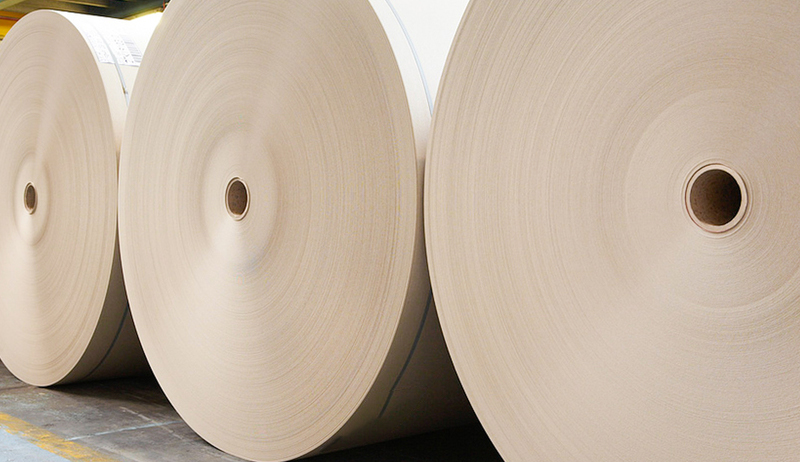
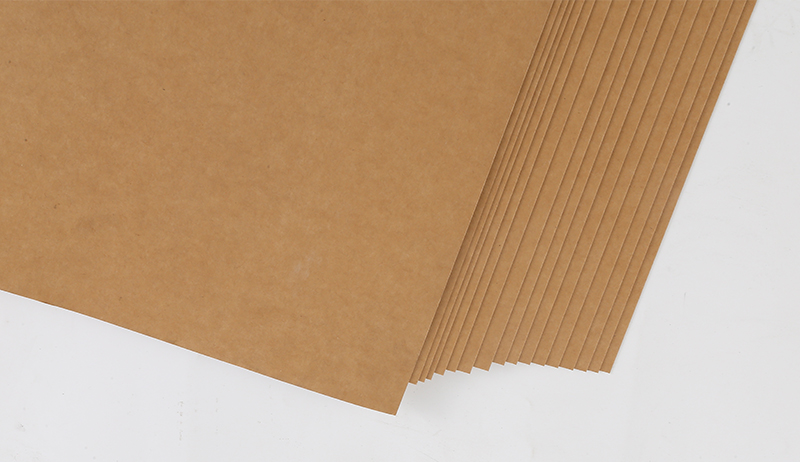
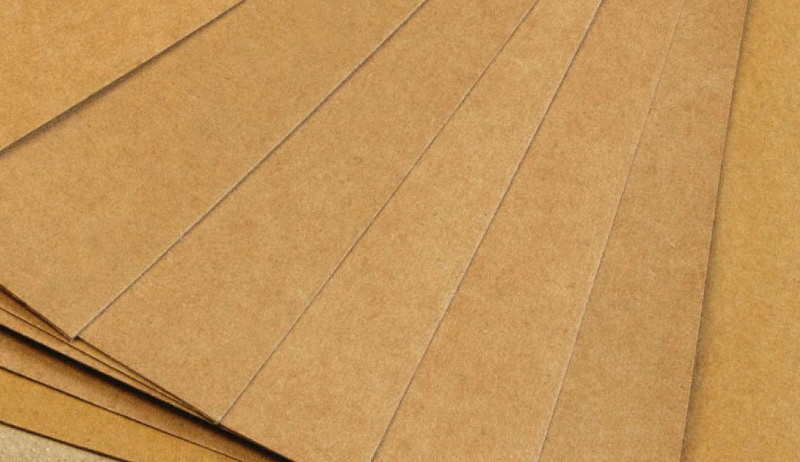
For large-scale industrial users, the availability of wholesale unbleached bamboo pulp paper rolls is essential for maintaining a steady production flow of eco-friendly consumer goods. Unbleached pulp retains the natural tan color of the bamboo fiber, which has become a hallmark of authentic, chemical-free products in the marketplace. This aesthetic choice resonates with consumers who prioritize health and environmental safety. Leading manufacturing enterprises equipped with more than 200 sets of production and processing equipment are capable of generating nearly 1 billion finished products annually, ensuring that even the largest global orders are fulfilled with precision and speed. The scalability of bamboo is its greatest asset; with the ability to produce vast quantities of food-grade paper and coated cardboard, manufacturers can replace plastic-lined traditional paper with fully degradable alternatives. By adhering to international standards such as FDA and EU food regulations, these wholesale rolls provide a safe foundation for everything from industrial wrapping to premium retail boxes. The stability of this supply chain is guaranteed by modern production bases that integrate the entire industry chain, from raw material processing to final die-cutting and molding.
- Natural aesthetics: The unbleached finish reduces water pollution and appeals to eco-conscious buyers.
- High capacity: Annual production of 60,000 tons ensures consistent bulk availability.
- Certification compliance ensures the material is safe for international export and regulated markets.
| Logistics Aspect | Bulk Bamboo Rolls | Plastic-Coated Paper Rolls |
| Recyclability | 100% Compostable and Recyclable | Difficult to separate and recycle |
| Chemical Profile | Minimal (Unbleached) | Includes polymers and bleaches |
| Production Volume | Scalable via grass-based sourcing | Limited by tree growth rates |
Safety First: Bamboo Pulp Paper Manufacturing Process and Chemicals
Understanding the bamboo pulp paper manufacturing process and chemicals is vital for ensuring that food-contact materials are safe for human health. Modern manufacturing takes place in highly controlled environments, including 100,000 and 300,000-level cleanrooms, to eliminate any potential for biological or particulate contamination. The process begins with mechanical pulping, followed by a refined chemical treatment that avoids the toxic chlorine-based agents used in older paper mills. Instead, oxygen-based bleaching or completely unbleached methods are preferred. For paper tableware, the application of coatings is equally critical; water-based or bio-polymer coatings are used to provide moisture resistance without introducing harmful PFAS or plastic micro-particles. These processes are strictly monitored under management systems such as ISO22000 and ISO9001 to ensure consistency and safety. By achieving full-process capabilities in processing, printing, and molding, manufacturers can control every chemical additive and ink used, ensuring that flexographic printing utilizes food-grade, non-toxic inks. This meticulous attention to detail ensures that the final finished product is not only degradable but also harmless during its entire lifecycle.
- Cleanroom production ensures that food packaging is free from dust and microbes.
- Advanced flexographic printing uses non-toxic inks for vibrant, safe branding.
- Management system certifications (BRC, SABER) guarantee international safety standards.
- Strict adherence to LFGB and FDA regulations for all food-contact surfaces.
| Safety Stage | Advanced Bamboo Processing | Traditional Paper Processing |
| Cleanroom Standards | Class 100,000 / 300,000 | Often standard industrial space |
| Bleaching Agent | Oxygen/Hydrogen Peroxide or None | Chlorine-based (in some regions) |
| Inks used | Food-grade flexographic inks | Standard solvent-based inks |
Applications: Biodegradable Bamboo Pulp Paper Products for Food Service
The versatility of biodegradable bamboo pulp paper products for food service has transformed the takeaway and dining industries. From robust paper cups to sophisticated molded tableware, bamboo fibers offer a superior tactile experience and functional performance. Because bamboo fibers are naturally more rigid than wood fibers, the resulting products can withstand heat and moisture more effectively, making them perfect for hot beverages and oily foods. These finished products are manufactured through a comprehensive set of processes, including paper coating, die-cutting, and molding, all within a modern facility that emphasizes innovation and a win-win philosophy. With nearly 1 billion units produced annually, these products are helping to phase out single-use plastics globally. Whether it is cardboard for dry goods or coated paper for liquid containment, the use of bamboo ensures that the product will break down naturally in a composting environment within a few months, returning nutrients to the soil rather than clogging landfills. This comprehensive coverage of the industry chain, combined with rigorous adherence to DIN and BPI standards, ensures that every cup, plate, and container meets the highest expectations for quality and sustainability.
- Heat resistance: Bamboo fiber maintains its shape even when in contact with hot liquids.
- Molding versatility: Capable of producing plates, bowls, and intricate lids.
- Compostability: Returns to the earth without leaving behind microplastics or toxins.
- Branding potential: Excellent surface for high-quality, eco-friendly printing.
| Product Performance | Bamboo Tableware | Bagasse (Sugarcane) Tableware |
| Rigidity | Very High | Moderate |
| Surface Smoothness | Excellent for printing | Textured / Fibrous |
| Heat Stability | Up to 100°C+ | Standard heat levels |
FAQ
Is bamboo pulp paper truly compostable?
Yes, professional-grade bamboo pulp paper is fully compostable. Because it is made from natural grass fibers, it breaks down into organic matter when exposed to moisture, heat, and microorganisms in a composting facility. To ensure the highest level of environmental safety, look for products that carry BPI or DIN certifications, which confirm the material will degrade within a specific timeframe without leaving harmful residues.
How does bamboo pulp affect the printing quality of packaging?
Bamboo fiber provides a smooth and consistent surface that is excellent for high-resolution printing. When using sustainable bamboo pulp paper for packaging, manufacturers typically use flexographic printing with food-grade inks. The inherent strength of the fiber ensures that the paper does not warp or absorb ink unevenly, resulting in sharp logos and vibrant colors that enhance brand appeal while maintaining eco-friendly credentials.
What certifications should I look for in wholesale bamboo paper suppliers?
When sourcing wholesale unbleached bamboo pulp paper rolls, it is crucial to verify international certifications. For sustainability, look for FSC® (Forest Stewardship Council). For food safety, ensure compliance with FDA, LFGB, and EU food regulations. For quality management and environmental health, ISO9001 and ISO14001 are the industry benchmarks. Finally, BRC and BPI certifications are essential for confirming safety in food service and compostability.
Does the manufacturing process use harmful chemicals?
In a modern, professional bamboo pulp paper manufacturing process and chemicals are strictly controlled. Advanced facilities use closed-loop systems and oxygen-based bleaching (or no bleaching at all) to avoid the release of toxins. By operating in Class 100,000 cleanrooms, manufacturers ensure that the final biodegradable bamboo pulp paper products for food service are free from industrial contaminants and safe for direct food contact.

Leave A Comment
Recommend Products


-
Give Us A Call
+86-17681768990
- Send Us A Message
-
Factory Address
#99, Rd. Keji, Longgang City, Zhejiang Province, China

