

 English
 Español
What is Coated Kraft Paper and How Can It Transform Your Packaging?
Introduction: The Versatile Backbone of Modern Packaging
In the evolving landscape of sustainable and high-performance packaging, one material stands out for its remarkable balance of strength, adaptability, and eco-friendliness: Coated Kraft Paper. At its core, this material starts with the robust and renewable kraft paper base, renowned for its natural strength and biodegradability. The transformative step is the application of a thin, functional layer or coating, which imbues the paper with specialized properties it wouldn't otherwise possess. This simple yet ingenious process unlocks a world of possibilities, making it suitable for everything from protecting delicate food items to creating premium branded boxes. The significance of this material extends beyond its physical properties; it represents a strategic shift towards packaging solutions that meet rigorous functional demands—such as moisture resistance, grease barriers, and superior print surfaces—while aligning with global sustainability goals. For businesses navigating complex supply chains and consumer expectations, understanding the nuances of coated kraft paper is not just about material selection; it's about securing a competitive edge through enhanced product protection, brand presentation, and environmental stewardship. The journey from a simple paper roll to a critical packaging component involves precise engineering and manufacturing expertise, ensuring that each variant performs reliably under specific conditions, a testament to the advanced capabilities found in leading production facilities equipped with cleanroom environments and comprehensive process control from coating to molding.
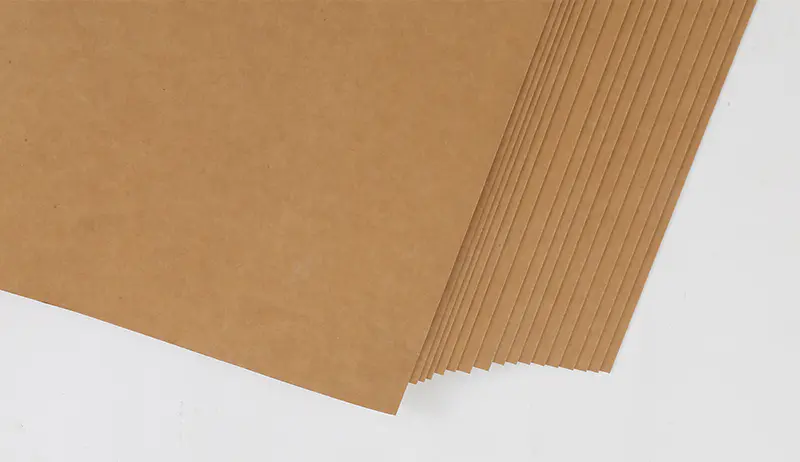
- The foundational appeal of kraft paper lies in its natural, wood-pulp origin and inherent sturdiness.
- Coatings are applied to add critical functional barriers against moisture, grease, oil, and gases.
- This customization creates tailored solutions for diverse industries, most notably in food safety and retail branding.
- The manufacturing process requires precision coating technology, often in controlled environments, to ensure consistency and food-grade safety.
- Adoption of coated kraft paper is a proactive step in reducing reliance on full plastic packaging, supporting a circular economy.
Decoding the Types: A Guide to Coated Kraft Paper Variants
The term "Coated Kraft Paper" encompasses a family of materials, each engineered with a specific coating to address unique challenges. Selecting the right type is pivotal to achieving the desired performance in your packaging application. The coating not only defines the paper's functionality—be it creating a watertight seal or providing a silky-smooth printing surface—but also influences its end-of-life profile, such as compostability or recyclability. From polyethylene layers that offer impermeable protection to mineral-based coatings that enhance aesthetics, the choice directly impacts product shelf life, brand perception, and operational efficiency. This section delves into the most prevalent and impactful variants, providing a clear framework for decision-making based on technical properties and practical applications.
PE Coated Kraft Paper: The Ultimate Barrier Protector
PE coated kraft paper roll is a workhorse in industries where moisture, liquid, and vapor transmission must be absolutely minimized. The polyethylene (PE) layer is typically extrusion-laminated onto the kraft base, creating a flexible yet highly resistant composite material. This type is indispensable for packaging items with high water content or those requiring protection from external humidity. Its reliability makes it a staple, but it's essential to note that the recyclability can be complex depending on local infrastructure. Modern advancements focus on using recycled PE or developing thinner coating layers to maintain performance while reducing environmental impact.
- Provides an excellent barrier against water, water vapor, and various liquids.
- Offers good heat-sealability, enabling efficient and secure packaging automation.
- Commonly used for fresh produce packaging, frozen food boxes, and industrial parts packaging where condensation is a concern.
- Available in various coating weights (e.g., light, medium, heavy) to match the specific barrier level required.
Clay Coated Kraft Paper: Premium Printability and Rigidity
When the primary goals are superior print quality and enhanced structural stiffness, clay coated kraft paper boxes are the premier choice. The coating, typically made from kaolin clay and binders, creates an exceptionally smooth, bright, and opaque surface. This surface is ideal for high-resolution flexographic or offset printing, allowing for vibrant colors, sharp graphics, and fine text that can elevate a brand's image on the shelf. The coating also adds caliper and rigidity, making the final folded boxes feel more substantial and durable. This variant is perfect for consumer goods, luxury packaging, and dry food items where visual appeal is paramount.
| Feature | Benefit |
| Superior Smooth Surface | Enables high-fidelity printing with excellent ink holdout and color reproduction. |
| Enhanced Brightness & Whiteness | Provides a crisp, clean background that makes colors pop and improves readability. |
| Increased Stiffness | Improves the tactility and perceived quality of the final carton or box, and aids in automated filling. |
| Good Rub Resistance | Protects printed graphics from scuffing during transportation and handling. |
Functional Specialty Coatings: Tailored Performance
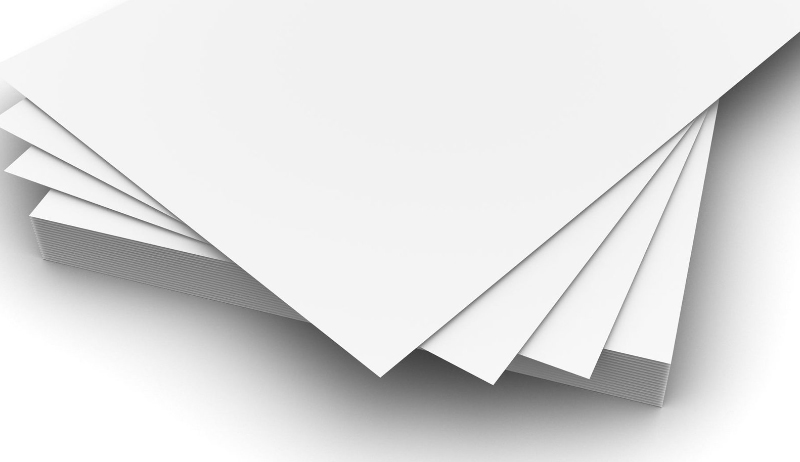
Beyond the common PE and clay coatings, the market offers specialized solutions designed for precise needs. For instance, water resistant coated kraft paper might use a fluorochemical or wax-based treatment to provide a high level of water repellency while often remaining more breathable and potentially more recyclable than PE coatings. Similarly, white coated kraft paper sheets are a versatile subcategory, often using a white pigmented PE or clay coating. These sheets provide a bright, consistent surface that is ideal for both printing and labeling, serving as a clean "canvas" for custom packaging, interleaving sheets, or liner applications. The development of these functional coatings is a key area of innovation, driven by demands for compostable barriers and improved sustainability profiles.
- Water-based barrier coatings can offer eco-friendly resistance to grease and oil for dry foods.
- Bio-based polymer coatings (e.g., PLA) are emerging as compostable alternatives to traditional PE.
- These specialty papers allow for customization based on very specific product protection needs.
Primary Applications: Where Coated Kraft Paper Excels
The true value of Coated Kraft Paper is realized in its application across critical industries. Its ability to be engineered for specific challenges makes it a first-choice material for sectors where failure is not an option. In the food industry, it directly contributes to safety and shelf-life extension. In retail, it becomes a silent salesman through superior branding. In industrial settings, it provides reliable, cost-effective protection. This widespread adoption is backed by manufacturing within certified frameworks that ensure every batch meets strict international standards for safety and quality, from raw material sourcing to the final finished product. The scalability of production, capable of delivering thousands of tons of material and billions of finished items, underscores its role as a foundational element in global supply chains.
The Gold Standard for Food Contact Safety
The use of coated kraft paper for food packaging is a critical application that demands the highest safety and barrier standards. Whether it's for greasy fast food, moist bakery items, or frozen goods, the right coating prevents contamination, preserves freshness, and maintains food quality. The kraft base provides a natural, often bleached-white, sturdy structure, while the coating is specifically formulated to be food-grade, preventing migration of any substances into the food. Compliance with regulations like FDA in the U.S., EU food contact regulations, and LFGB in Germany is non-negotiable, requiring manufacturers to have stringent control over their production processes, often certified under schemes like ISO 22000 (Food Safety Management) and BRCGS (Global Standard for Packaging).
- Dry Foods: Bags for flour, sugar, grains; boxes for cereals, crackers, and powdered mixes.
- Greasy/Fast Foods: Wrappers for burgers, sandwiches, fries; boxes for pizza and fried chicken.
- Frozen Foods: Cartons for frozen vegetables, ice cream, and ready-meals that must resist freezer burn and condensation.
- Bakery & Confectionery: Liners for cake boxes, wrappers for pastries, and pouches for cookies.
| Food Type | Recommended Coating Type | Key Function |
| Greasy, Oily Foods | Grease-Resistant (GR) or PE Coating | Prevents oil and grease from staining and weakening the paper. |
| Moist/Fresh Foods | PE or High-Barrier Water-Based Coating | Blocks moisture transfer to maintain texture and prevent sogginess. |
| Frozen Foods | PE Coating | Provides a vapor barrier to prevent ice crystal formation (freezer burn). |
| Dry Goods | Clay Coating or Light Functional Coating | Provides a good printing surface and minimal barrier for product safety. |
How to Select the Perfect Coated Kraft Paper for Your Needs
Navigating the selection process for Coated Kraft Paper requires a systematic approach that balances technical requirements with commercial and environmental considerations. It's not merely about picking a type of paper; it's about specifying a performance-grade material that will function reliably throughout your packaging line and product lifecycle. Key decision factors include the physical and chemical nature of the product being packaged, the conditions it will encounter during storage and transit, the desired branding and aesthetic outcome, and the end-of-life disposal goals. Engaging with knowledgeable suppliers who offer full-process capabilities—from coating and printing to die-cutting and molding—can streamline this process, providing valuable insights into grammage, roll dimensions, coating thickness, and compliance certifications that align with your market.
- Step 1: Define the Barrier Requirement. Is moisture, grease, oil, or gas the primary threat? This dictates the coating chemistry.
- Step 2: Consider the Printing & Aesthetic Needs. High-quality graphics demand a smooth, white surface like clay coat or white PE coat.
- Step 3: Evaluate Production & Converting Process. Consider how the paper will run on your machinery (e.g., heat-sealing needs, die-cutting complexity).
- Step 4: Assess Sustainability Goals. Determine if recyclability, compostability (e.g., BPI certification), or FSC®-certified base paper is a priority.
- Step 5: Verify Certifications and Compliance. Ensure the material and manufacturer have the necessary food contact and safety certifications for your target region.
FAQ
Is coated kraft paper waterproof?
It's crucial to distinguish between "water-resistant" and "waterproof." Most coated kraft paper is designed to be water-resistant, meaning it can repel water and moisture for a significant period, delaying penetration. For example, water resistant coated kraft paper with a wax or fluorochemical treatment offers good repellency. However, truly "waterproof" (or, more accurately, water-impermeable) performance is typically achieved with a continuous PE coated kraft paper layer, which forms a near-complete barrier against liquid water and water vapor. The level of protection required depends entirely on the application—protecting a product from short-term spills is different from submerging it.
Can coated kraft paper be used for direct food contact?
Yes, absolutely. In fact, a major application is coated kraft paper for food packaging. The critical factor is that both the base kraft paper and the coating must be formulated and manufactured to meet the food contact regulations of the country where the packaged product will be sold. Reputable manufacturers produce these materials in certified cleanrooms and comply with standards like FDA CFR 21, EU Regulation 10/2011, and LFGB. Always request a Declaration of Compliance or specific migration test reports from your supplier to ensure the material is safe for your specific food type and contact conditions.
What is the difference between clay coated and PE coated kraft paper?
The core difference lies in the coating's material and primary function. Clay coated kraft paper uses a mineral-based (kaolin) coating. Its primary functions are to create an exceptionally smooth, bright, and opaque surface for high-quality printing and to add stiffness to the board. It is often used for premium clay coated kraft paper boxes. In contrast, PE coated kraft paper uses a layer of polyethylene plastic. Its primary function is to provide an excellent barrier against moisture, water vapor, grease, and sometimes gases. It is less printable than clay-coated paper but is heat-sealable. The choice depends on whether your priority is aesthetics and structure (clay) or barrier protection (PE).
Is coated kraft paper recyclable or compostable?
The recyclability and compostability of coated kraft paper depend entirely on the type of coating. Standard PE coated kraft paper is often difficult to recycle in standard paper mills because the plastic coating must be separated from the paper fibers. It may need to go through a specialized recycling stream. However, paper with bio-based or compostable coatings (like PLA) and uncoated/lightly treated papers can be industrially compostable under specific conditions (look for certifications like BPI or DIN). Water resistant coated kraft paper with certain treatments may be more readily recyclable. Always check with your local waste management facilities and the manufacturer's specifications for accurate end-of-life guidance.
Where can I buy custom-sized coated kraft paper sheets?
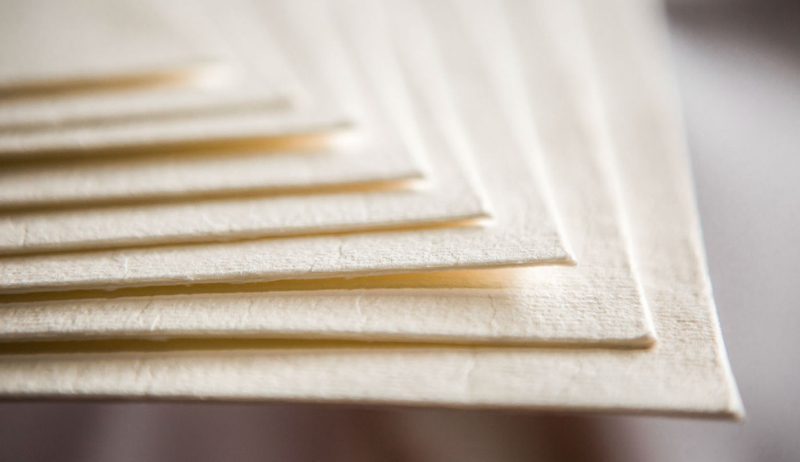
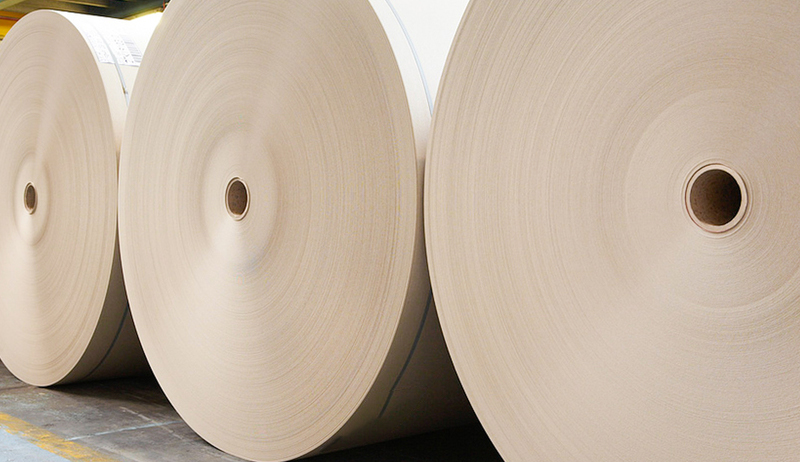
Custom-sized white coated kraft paper sheets or other variants are typically supplied by paper converters or manufacturers with integrated die-cutting and finishing services. These suppliers can take master coated kraft paper rolls and convert them into precise sheet sizes, ready for use in printing presses, manual packaging, or as liner sheets. When sourcing, provide your exact dimensions (length, width, caliper), grammage/weight preference, coating type, and required quantity. Partnering with a manufacturer that controls the process from coating to cutting ensures consistency, quality, and often more competitive pricing for custom orders.

Leave A Comment
Recommend Products
-
Give Us A Call
+86-17681768990
- Send Us A Message
-
Factory Address
#99, Rd. Keji, Longgang City, Zhejiang Province, China

