

 English
 Español
What Are the Environmental Benefits of Using Bamboo Pulp and Paper?
As a company expert in sustainable materials and industrial paper products, we are committed to advancing eco‑friendly solutions in packaging, tissue, and specialty paper markets. One increasingly significant material choice for environmentally conscious manufacturers and B2B purchasers is Bamboo Pulp and Paper. This article explores its ecological advantages, performance vs traditional sources, applications in packaging, production process, and challenges with practical solutions.
Introduction
Global demand for sustainable paper solutions is rapidly ascending in response to heightened regulatory standards and corporate environmental goals. According to the latest report by Business Research Insights, the global bamboo pulp market was valued at approximately USD 3.38 billion in 2024 and is expected to grow further in 2025, driven by demand in paper, tissue, and packaging segments as companies prioritize renewable resources over traditional timber sources.
Source: Bamboo Pulp Market Overview and Projections
This shift supports the broad adoption of bamboo pulp and paper manufacturing process steps that capitalize on rapid renewability and lower ecological footprints compared to wood‑based alternatives.
1. Environmental Benefits of Bamboo Pulp and Paper Production
The environmental profile of bamboo pulp and paper production is distinguished by bamboo’s exceptional growth characteristics and reduced cultivation inputs. Key ecological benefits include:
- Rapid Renewability: Bamboo reaches maturity within 3‑5 years, significantly faster than most tree species used for wood pulp, reducing pressure on forests. :contentReference[oaicite:0]{index=0}
- Carbon Sequestration: Bamboo stands absorb more CO₂ per hectare than comparably planted trees, making it a valuable carbon sink. :contentReference[oaicite:1]{index=1}
- Reduced Chemical Inputs: Bamboo cultivation typically requires minimal pesticides and fertilizers, lowering soil and water contamination risks. :contentReference[oaicite:2]{index=2}
- Lower Water Use: Production of bamboo pulp requires significantly less water per unit of dry pulp compared with wood pulp, contributing to water conservation. :contentReference[oaicite:3]{index=3}
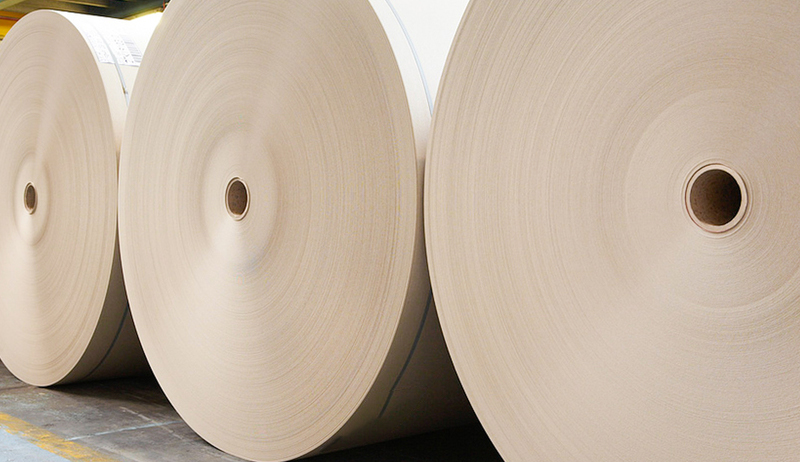
2. Bamboo Pulp and Paper vs Wood Pulp Paper Comparison
Comparing bamboo pulp and paper vs wood pulp paper comparison highlights the environmental trade‑offs between these raw materials. Bamboo’s rapid growth and fiber structure provide sustainability advantages, while wood pulp remains widely utilized with higher infrastructure support. The table below presents a structured comparison of key environmental metrics:
| Metric | Bamboo Pulp and Paper | Wood Pulp Paper |
| Growth Cycle | 3–5 years (renewable annually) | 20–80+ years (tree maturation) |
| Carbon Emissions | ≈700–900 kg CO₂/ton | ≈1,200–1,500 kg CO₂/ton |
| Water Use | ≈900–1,200 liters/kg pulp | ≈1,500–2,000 liters/kg pulp |
| Pesticide Requirement | Low | Moderate/High |
This comparison demonstrates that bamboo pulp and paper typically offer reduced carbon footprint and resource consumption relative to wood pulp, supporting environmental sustainability goals. :contentReference[oaicite:4]{index=4}
3. Sustainable Bamboo Pulp and Paper for Packaging Applications
One of the fastest‑growing segments for sustainable bamboo pulp and paper for packaging applications is molded pulp packaging, driven by regulatory pressure to reduce single‑use plastics and non‑biodegradable materials. Bamboo’s strength and biodegradability make it well‑suited for protective packaging, disposable containers, and specialty boxes.
- Biodegradable and Compostable: Bamboo paper packaging decomposes naturally, avoiding long‑term landfill accumulation.
- High Tensile Strength: Bamboo fiber provides robust mechanical properties suitable for protective packaging.
- Lightweight: Reduces transport emissions compared to heavier materials.
Rapid market growth for bamboo‑based packaging reflects this sustainability trend, with notable uptake in regions adopting policies for environmentally responsible materials. :contentReference[oaicite:5]{index=5}
4. Bamboo Pulp and Paper Manufacturing Process Steps
Understanding bamboo pulp and paper manufacturing process steps clarifies where environmental benefits are realized. The key stages include:
- Harvesting and Pre‑Processing: Bamboo is cut and chipped, then thoroughly washed to remove impurities.
- Pulping: Bamboo chips undergo mechanical or chemical pulping to separate cellulose fibers; bamboo’s low lignin content reduces chemical demand. :contentReference[oaicite:6]{index=6}
- Bleaching and Refining: Advanced processes such as chlorine‑free bleaching lower harmful effluent. :contentReference[oaicite:7]{index=7}
- Paper Formation and Drying: Fibers are formed into sheets and dried with energy‑efficient techniques.
Compared to typical wood pulp processes, bamboo pulp often requires fewer chemicals given its inherent fiber properties, enhancing its environmental profile. :contentReference[oaicite:8]{index=8}
5. Challenges in Bamboo Pulp and Paper and How to Solve Them
Despite its advantages, the adoption of bamboo pulp and paper faces challenges, such as fiber processability, supply chain limitations, and quality standardization. Key obstacles and solutions include:
- Fiber Uniformity: Bamboo fibers can vary in size, influencing pulp quality. Solutions include enhanced screening and purification during processing to achieve consistent fiber length distribution.
- Geographic Constraints: Most commercial bamboo cultivation is regional, leading to supply concentration. Localized cultivation programs and infrastructure build‑out help diversify sources. :contentReference[oaicite:9]{index=9}
- Certification and Standards: Limited standardized eco‑certifications specific to bamboo pulp make verification difficult. Industry collaboration on sustainable certifications improves transparency and quality assurance. :contentReference[oaicite:10]{index=10}
Conclusion
In summary, Bamboo Pulp and Paper presents significant environmental benefits compared to traditional wood pulp paper, including reduced carbon emissions, lower water usage, rapid renewability, and strong suitability for sustainable packaging applications. Understanding its production, comparative advantages, and challenges equips industrial buyers and procurement specialists with the necessary insights to adopt bamboo‑based solutions aligned with modern environmental goals.
Frequently Asked Questions (FAQ)
- What makes bamboo pulp more sustainable than wood pulp? – Bamboo’s rapid growth cycle and lower water/chemical requirements reduce environmental impact compared to wood pulp.
- Can bamboo paper be used for packaging? – Yes, its strength and biodegradability make it suitable for various packaging applications.
- Is bamboo pulp production less resource‑intensive? – Bamboo generally requires less water and fewer pesticides, supporting resource conservation.
- Are there challenges in sourcing bamboo pulp? – Geographic concentration and certification gaps present challenges, but technological and policy developments are addressing these.
- Does bamboo pulp reduce carbon emissions? – Yes, bamboo sequestrates carbon more effectively, contributing to lower lifecycle emissions in paper production.

Leave A Comment
Recommend Products





-
Give Us A Call
+86-17681768990
- Send Us A Message
-
Factory Address
#99, Rd. Keji, Longgang City, Zhejiang Province, China

