

 English
 Español
How Do Poly Coated Paper Sheets Improve Grease Resistance?
In the complex landscape of modern packaging materials, the demand for high-performance barriers against moisture and oil is escalating, particularly within the food service and industrial sectors. Coated kraft board has emerged as a superior solution, combining the structural rigidity of pulp fibers with the protective qualities of polymer coatings. Unlike traditional paper which is porous and susceptible to liquid penetration, the application of a polyethylene layer transforms the substrate into an impermeable shield. This transformation is critical for maintaining product integrity, preventing leakage, and ensuring that consumer goods remain uncontaminated by external grease or internal oils. As industries move away from polystyrene and look for sustainable yet functional alternatives, understanding the mechanics of how poly coated paper sheets resist grease is essential for procurement engineers and packaging designers.
Zhejiang Justeco Technology Co., Ltd. is a leading enterprise dedicated to providing sustainable and environmentally friendly packaging solutions, operating from a modern production base spanning over 70,000 square meters in Zhejiang, China. With a strong and stable supply capacity, the company is equipped with 100,000 and 300,000-level cleanrooms and over 200 sets of advanced production and processing equipment. Justeco specializes in the processing, printing, and manufacturing of disposable degradable food packaging and paper tableware, offering a complete set of production processes including food-grade paper sourcing, paper coating, flexographic printing, die-cutting, and molding. Their annual production capacity reaches approximately 60,000 tons of degradable materials and nearly 1 billion finished products. Committed to the philosophy of "integrity, professionalism, innovation, and win-win," they hold certifications such as ISO9001, ISO14001, ISO22000, BRC, and BPI, ensuring that their recyclable coated kraft packaging meets stringent international standards.
The industry is currently witnessing a paradigm shift regarding barrier materials, driven by both regulatory changes and technological innovation. According to the 2024 Packaging Innovation Report by the Food Packaging Forum, advancements in water-based and bio-based polyethylene coatings are enabling manufacturers to achieve high grease resistance (KIT levels >12) without compromising the recyclability of paper products. This trend is crucial as it aligns the functional need for oil and grease resistance (OGR) with the global mandate for circular economy solutions, ensuring that recyclable coated kraft packaging remains viable in standard paper recovery streams.
Source: Food Packaging Forum - Packaging Innovation Report
The Science of Poly Coating Barriers
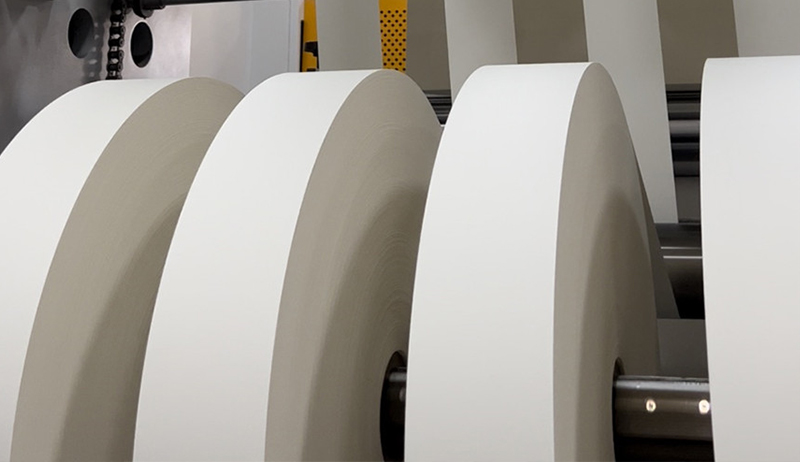
The fundamental mechanism by which coated kraft board achieves grease resistance lies in the modification of the paper's surface energy. Uncoated paper is composed of a hydrophilic network of cellulose fibers that naturally absorbs water and, due to the capillary action within the porous structure, can eventually be penetrated by oils. To prevent this, a layer of polyethylene—typically Low-Density Polyethylene (LDPE) or Linear Low-Density Polyethylene (LLDPE)—is extruded onto the paper surface. This polymer layer is non-porous and hydrophobic, effectively sealing the microscopic pores of the kraft fibers. The poly coating acts as a physical barrier that grease molecules cannot chemically dissolve or physically penetrate, thereby preserving the paper's dry strength and preventing the "wet-out" effect that leads to structural failure.
- Polymer Structure: Polyethylene provides a continuous, non-polar film that repels non-polar substances like oils and grease.
- Pore Sealing: The coating fills the valleys between cellulose fibers, eliminating capillary pathways for oil migration.
- Adhesion: Surface treatments (corona treatment) are often used to ensure the poly layer bonds permanently to the unbleached coated kraft paper substrate.
- Uniformity: Modern extrusion coating ensures a consistent thickness (gauge) of the barrier layer, critical for reliable performance.
- Thermal Stability: The coating allows the paper to withstand hot filling processes without melting or degrading.
Hydrophobic vs. Oleophobic Properties
While the terms hydrophobic (water-repelling) and oleophobic (oil-repelling) are often used interchangeably in packaging, they require specific attention when engineering unbleached coated kraft paper. Standard polyethylene coatings are naturally hydrophobic, meaning water beads up and rolls off. However, achieving oleophobic properties—resisting oils—requires a dense, pinhole-free polymer matrix. Unlike water, oils have lower surface tension and can seek out weak points in a barrier. High-quality unbleached coated kraft paper utilizes high-clay-content base stock combined with precise poly extrusion to ensure that the oil barrier is continuous. In contrast, standard wax coatings might resist water but fail against hot animal fats, whereas poly coatings provide a robust defense against a wider spectrum of hydrocarbons.
| Property | Uncoated Kraft Paper | Wax Coated Paper | Poly Coated Kraft Board |
| Water Resistance | Poor; absorbs water immediately. | Good; repels water effectively. | Excellent; completely impermeable to water. |
| Grease Resistance (KIT Test) | Low (0-1); grease stains instantly. | Medium (4-8); may fail with hot oils. | High (12+); withstands hot animal and vegetable oils. |
| Sealability | None; requires glue. | Heat sealable at low temps. | Excellent heat seal integrity for hermetic packaging. |
Structural Advantages in Packaging Applications
Beyond the chemical barrier, the mechanical interaction between the poly coating and the kraft substrate significantly enhances the physical durability of the packaging. In heavy-duty applications such as pallet liners or heavy grease containers, the paper is subjected to significant stress. The polyethylene film adds a protective layer that distributes stress across the surface, increasing tear resistance. Specifically, high strength coated kraft liner is engineered to support heavy loads without bursting. The coating prevents the paper fibers from becoming saturated with grease, which would otherwise plasticize the fibers and drastically reduce the tensile strength. By keeping the fibers dry, the board retains its stiffness and burst strength, ensuring that the package maintains its structural integrity even when filled with dense, oily contents.
- Burst Strength: The poly film reinforces the surface, allowing the board to withstand higher internal pressures.
- Edge Grease Resistance: Specialized coatings can be applied to the edges (cutting edges) of high strength coated kraft liner to prevent wicking.
- Abrasion Resistance: The slick surface reduces friction during handling and stacking.
- Moisture Vapor Transmission Rate (MVTR): Controlled to prevent sogginess while retaining necessary rigidity.
- Dimensional Stability: The coated layer minimizes expansion and contraction due to humidity changes.
Enhancing Tensile and Burst Strength with High Strength Coated Kraft Liner
When sourcing materials for industrial or bulk food packaging, the choice of high strength coated kraft liner is pivotal. This material is often subjected to the "Box Crush Test" or "Ring Crush Test" to ensure it can endure vertical compression. The interaction between the kraft paper's long virgin fibers and the poly coating creates a composite material. In this composite, the paper resists compression and tearing, while the poly coating acts as a shield against environmental moisture that would weaken the paper. For example, in a case where a box of frozen greasy meat sits in a humid supply chain, uncoated liners would absorb moisture from the air and grease from the product, turning to mush. The high strength coated kraft liner prevents this, ensuring the product reaches the consumer without the package failing.
| Mechanical Property | Uncoated Liner | Poly Coated Liner |
| Tensile Strength (Dry) | High; depends on fiber direction. | High; comparable to uncoated but consistent. |
| Tensile Strength (Wet/Greasy) | Low; loses up to 50% strength when saturated. | High; retains 90%+ strength as fibers stay dry. |
| Puncture Resistance | Moderate; sharp objects can tear fibers. | Excellent; poly film stretches and resists puncture. |
Sustainability and Recyclability of Coated Boards
A common misconception is that poly coatings render paper unrecyclable. However, the industry has made significant strides in developing recyclable coated kraft packaging. In modern paper recycling facilities, the pulping process (hydrapulping) agitates the paper in water, causing the poly layer to separate from the cellulose fibers. The polyethylene floats to the top or is screened out, while the clean fibers are processed into new paper products. Zhejiang Justeco Technology Co., Ltd. is at the forefront of this innovation, ensuring that their products utilize coatings compatible with standard recycling streams. This approach allows businesses to benefit from the superior grease resistance of poly coatings while adhering to corporate sustainability goals and waste management regulations.
- Re-pulpability: Recyclable coated kraft packaging is designed to break down easily in standard pulpers.
- Separation Efficiency: The difference in density between plastic and paper slurry allows for effective mechanical separation.
- Market Demand: There is a growing market for "PCR" (Post-Consumer Recycled) content that utilizes recovered coated board.
- Alternative Coatings: Research is ongoing into bio-based polyolefins that further enhance the eco-profile.
- Circular Economy: Using recycled kraft board as the substrate for new coatings closes the loop.
The Rise of Recyclable Coated Kraft Packaging
The shift toward recyclable coated kraft packaging is not just a trend but a regulatory requirement in many regions. Unlike older materials that used fluorochemicals (PFAS) for grease proofing—which are persistent in the environment and difficult to recycle—modern poly coatings are inert and mechanically removable. This shift ensures that the packaging does not contaminate the recycling stream with toxic chemicals. Companies like Zhejiang Justeco Technology Co., Ltd. prioritize these compliant solutions, offering BPI and DIN-certified products that verify the compostability or recyclability of the packaging. By selecting recyclable coated kraft packaging, businesses avoid the pitfalls of "wish-cycling" and ensure their packaging actually enters the circular economy.
| Coating Type | PFAS (Fluorochemicals) | Polyethylene (PE) |
| Grease Resistance | Highly effective at microscopic levels. | Effective; requires adequate coat weight. |
| Recyclability | Poor; contaminates recycling sludge with "forever chemicals." | Good; widely accepted in paper recycling streams when separated. |
| Environmental Impact | Negative; bioaccumulative and toxic. | Neutral/Low; inert and mechanically removable. |
Food Safety and Regulatory Compliance
For direct food contact, packaging materials must meet rigorous safety standards to prevent the migration of harmful substances into food. Food grade coated kraft board is manufactured using FDA-compliant raw materials and processes. The polyethylene used is strictly regulated to ensure it contains no heavy metals or non-approved plasticizers that could leach into food, especially when hot or fatty foods are involved. Zhejiang Justeco Technology Co., Ltd. adheres to ISO22000 and EU food regulations, ensuring that their food grade coated kraft board is safe for wrapping everything from bakery goods to fried foods. The barrier prevents not only grease from escaping but also external contaminants from entering, which is vital for food security and shelf-life extension.
- Migration Testing: Food grade coated kraft board undergoes simulants testing (e.g., olive oil) to ensure no chemical transfer.
- Temperature Resistance: Safe for use in ovens (if lined) or microwave applications (if specified).
- Odor and Taste: High-grade coatings ensure no off-odors or tastes affect the food.
- Global Compliance: Certifications like LFGB (Germany) and FDA (USA) verify safety for international export.
- Traceability: Manufacturers maintain batch records to trace every roll of food grade coated kraft board to its source.
Ensuring Safety with Food Grade Coated Kraft Board
The integrity of food grade coated kraft board is tested under worst-case scenarios, typically involving high temperatures and high-fat content foods. If the coating is not of food grade, the heat can cause low-molecular-weight components in the plastic to migrate into the food. Zhejiang Justeco Technology Co., Ltd. utilizes 100,000 and 300,000-level cleanrooms to produce these food contact materials, eliminating contamination risks during the manufacturing process. Furthermore, the use of food grade coated kraft board supports clean labeling initiatives, as it allows brands to advertise "free from PFAS" and "recyclable packaging," meeting consumer demand for transparency and safety.
td>May use recycled fibers with unknown contaminants. td>Uses virgin or high-grade pulp free from contaminants.td>Not regulated for food contact. td>Additives are strictly regulated (FDA 21 CFR, EU 10/2011).td>Cleanroom conditions (e.g., ISO 5/7) to prevent hygiene issues.
| Compliance Feature | Standard Industrial Paper | Food Grade Coated Kraft Board |
| Raw Material Purity | ||
| Additive Safety | ||
| Production Environment | Standard factory conditions. |
Conclusion
The evolution of coated kraft board represents a critical intersection of material science and packaging engineering. By applying a polyethylene layer, manufacturers create a formidable barrier against grease and moisture while significantly enhancing the structural durability of the paper. From the high tear resistance of high strength coated kraft liner to the sustainable focus of recyclable coated kraft packaging, these materials solve complex logistical problems. Furthermore, the availability of unbleached coated kraft paper offers an aesthetic, natural look without sacrificing performance. Ultimately, for businesses requiring reliable, safe, and robust packaging solutions, investing in high-quality food grade coated kraft board is essential. Companies like Zhejiang Justeco Technology Co., Ltd. continue to drive this industry forward, combining advanced coating technologies with sustainable manufacturing practices to meet the rigorous demands of the global market.
FAQ
Is poly coated paper environmentally friendly?
Yes, modern recyclable coated kraft packaging is designed to be compatible with standard paper recycling processes. The polyethylene coating is separated from the paper fibers during the pulping process, allowing the fibers to be reused. Additionally, manufacturers are increasingly using bio-based polyethylene and optimizing coat weights to reduce environmental impact while maintaining grease resistance.
What is the difference between waxed paper and poly coated kraft board?
While both offer moisture resistance, poly coated kraft board provides a much stronger barrier against grease and higher temperatures. Waxed paper can melt or become permeable when in contact with hot oils, whereas coated kraft board utilizes a thermoplastic poly layer that withstands higher heat and offers superior puncture and tear resistance, making it suitable for heavy-duty applications.
Can food grade coated kraft board be used in the oven?
It depends on the specific product specification. Standard food grade coated kraft board is excellent for wrapping greasy foods at room temperature or for short-term heating. However, for high-heat baking, specialized formulations with higher melting points or additional liners are required. Always check the manufacturer's temperature rating and FDA compliance for oven use.
How does the KIT test measure grease resistance?
The KIT test (also known as the TAPPI T 559 test) measures the repellency of paper to oil. A series of oils with varying surface tensions (from castor oil to heptane) are applied to the surface. The highest numbered oil that does not penetrate the paper after a set time determines the KIT rating. Coated kraft board typically achieves high KIT ratings (e.g., KIT 12), indicating excellent resistance to greasy substances.
Why is unbleached coated kraft paper popular in packaging?
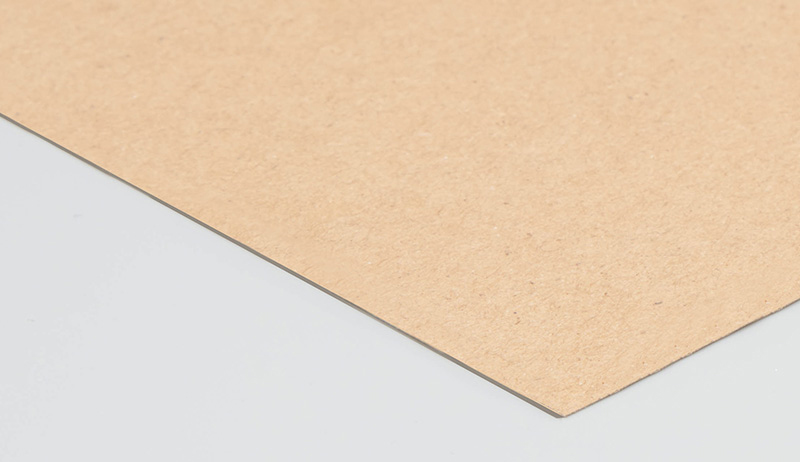
Unbleached coated kraft paper offers the aesthetic appeal of a natural, brown kraft finish, which is preferred by brands seeking an organic or eco-friendly image. Despite its natural look, the poly coating provides the necessary functional barrier against grease and moisture, making it a perfect blend of visual appeal and high-performance utility for takeout bags and food wraps.

Leave A Comment
Recommend Products
-
Give Us A Call
+86-17681768990
- Send Us A Message
-
Factory Address
#99, Rd. Keji, Longgang City, Zhejiang Province, China

